
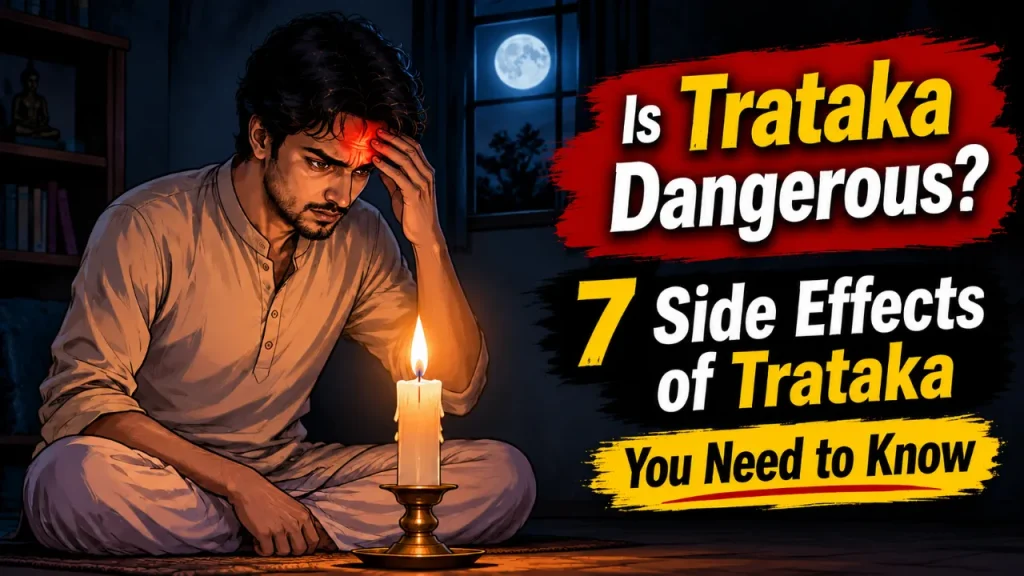
Are there side effects of trataka? Yes, but they are usually mild and easy to avoid. So, is trataka dangerous? For most healthy adults, no, as long as it is practiced gently.
trataka is safe when practiced gently and in short sessions. Problems such as watery eyes, burning, blurred vision, or a tight feeling in the forehead usually appear when people push too hard, stare for too long, or start with a candle flame before their eyes are ready. Spiritual practice can also bring emotional changes, such as feeling withdrawn or restless.
The benefits of trataka are a big reason it has become so popular, sometimes even more than regular meditation.
It sharpens focus, supports calm, and many practitioners use it for spiritual growth, including developing intuition. Because of this, many beginners try to get more results in less time. They stare longer, skip the basics, and practice without proper guidance.
At first they may even notice good results, so they keep forcing it, and soon the eyes and mind start to pay the price.
The lesson applies to every practice: too much is never better. Any exercise done forcefully, without the right knowledge, brings disadvantages instead of benefits.
Trataka supports your growth on three levels, physical, psychological, and spiritual, but that does not mean its side effects should be ignored. Candle gazing is more intense than gazing at a dot, so start with a black dot and sessions of 3 to 5 minutes.
Comfort and regular practice matter more than duration. Most of these side effects are easy to fix once you understand the cause.
In this guide, I explain the 7 most common side effects of trataka, why each one happens, and what you can do about it. You will also learn which symptoms are normal, when to stop, and who should avoid trataka or check with an eye doctor first.
- Is trataka dangerous?
- 7 Side Effects of Trataka and How to Fix Each One
- Frequently Asked Questions About Trataka Safety
- Is trataka safe for the eyes?
- Can trataka damage your eyesight?
- How long should beginners practise trataka?
- Is candle gazing more dangerous than gazing at a dot?
- Do I need a teacher to practise trataka?
- Can trataka cause blindness?
- Is it safe to do trataka every day?
- Is trataka at night dangerous?
- Is watering bad?
- Is it safe with contact lenses?
Is trataka dangerous?
Usually, no. For most healthy adults, trataka is not dangerous when it is practiced gently, in short sessions, and with a sensible setup. The risk comes from how people practice, not from the technique itself.
You will see two extreme views online. One treats trataka as a cure-all with no downsides. The other says any watering of the eyes proves it is harmful. Neither is accurate.
Trataka is low-risk when done properly, but it can cause discomfort if you force it, ignore warning signs, or practice with an eye condition that needs caution.
Why do we face side effects of trataka?
The side effects of trataka are not random. They appear when something in the practice is wrong, and understanding the cause lets you fix it early. Most problems come from a few common mistakes:
- Starting with a flame too early. Bindu trataka (gazing at a black dot) is the best starting point. Many beginners jump straight to candle or lamp gazing because they want more results in less time.
- Gazing for too long. Deepak trataka, or any flame gazing, is more intense on the eyes. Staring at a flame for a long time can cause dryness, burning, and strain.
- Forcing the practice. Trataka is not just about looking for a long time. The real skill is staying focused inward while you gaze. Forcing a longer gaze, or fighting the urge to blink, turns a useful practice into strain.
- Skipping the steps. Trataka works best when you build up gradually. Practicing without preparation, or without guidance, makes problems more likely.
- A poor setup. A flame that is too close or too bright, a dry room with a fan blowing, or practicing when your eyes are already tired from screens can all make a session harsher than it needs to be.
When these mistakes continue, the effects can include eye discomfort, blurred vision, headaches, and mental stress or restlessness. These are signs that the practice needs adjusting, not proof that trataka is harmful in itself.
In short, trataka side effects are usually a warning that something should change, such as the object, the duration, or the setup, and not a reason to give up the practice.
How to keep trataka safe
- Start with a black dot, not a candle.
- Begin with 3 to 5 minutes and increase slowly, only when the current level feels easy.
- Blink when you need to. The goal is steady focus, not a no-blink contest.
- Stop if you feel sharp pain, lasting blur, or repeated headaches.
Why do beginners struggle with trataka?
The biggest mistake is thinking trataka is just staring at a point for as long as possible. That is one instruction, and there is much more to the practice. The technique changes with your purpose, whether that is concentration, eye comfort, or spiritual growth. Most people who run into side effects only know this one part.
The common belief is simple: the longer you gaze, the more benefit you get. This is the main reason beginners push too hard, and it leads to strain, dryness, and frustration.
Trataka is not about gazing for a long time. It is about staying focused inward while you gaze.
Focus develops naturally with regular, gentle practice, and you cannot force it. When you only focus on the looking and try to stretch the gaze longer, you add strain without adding concentration. That is when side effects start.
What to do instead
- Pay attention to your mind, not only your eyes. Notice when your thoughts wander and bring them back gently.
- Keep sessions short. A calm 3 minutes is better than a strained 15.
- Learn the supporting practices. Trataka works best alongside simple preparation, such as relaxing the eyes and body before you start and closing your eyes to rest afterwards.
- Match the method to your goal. Start with bindu (black dot) trataka before trying candle gazing.
Once you understand this, most of the common side effects are easy to avoid.
7 Side Effects of Trataka and How to Fix Each One
Most side effects of trataka are changes in your eyes, body, and mind that tell you the practice needs adjusting. They are not signs of lasting harm, and if you understand them early, you can avoid most of them.
These changes usually appear when trataka is practiced too long, too forcefully, or without the right preparation. Each level of trataka has its own rules and precautions, from gazing at a black dot to candle gazing. When those basics are skipped, you can get results you never wanted: watery or burning eyes, blur, a tight forehead, or restless energy.
I experienced some of these problems myself when I started. They are common, and they are easy to correct once you know the cause.
Below, you will find the 7 most common side effects of trataka. For each one, I explain what it feels like, why it happens, and what to change in your practice.
A quick note: the problems below are usually mild. If you have sharp or lasting eye pain, blur that does not clear within a few hours, or repeated headaches, stop practicing and see an eye doctor.
1. Watery Eyes After Trataka
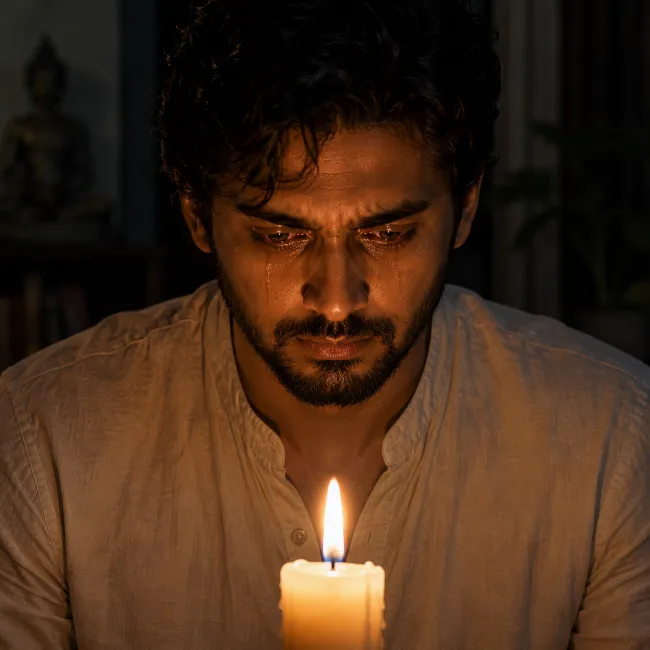
Watery eyes are the most common side effect of trataka, and during practice they are normal. If the watering carries on through your day, it is a sign to adjust your practice.
What it feels like
Your eyes tear up while you gaze, and you feel a strong urge to blink. After practice, the watering should stop within a few minutes. If you have watery, blurry, dry, or gritty eyes while working later in the day, the practice is probably too intense for you right now.
Why it happens
When you reduce blinking, the surface of the eye dries out, and the eye responds by producing tears. That is why mild tearing is a normal part of trataka. Constant watering or dryness usually comes from one of two causes:
- Gazing for too long. Beginners can usually hold a steady gaze for only 5 to 10 seconds at first. Forcing the eyes open for much longer, or fighting the urge to blink, strains the eyes.
- Starting with a flame too early. Candle gazing is more intense than gazing at a dot. Starting with a flame before your eyes and mind are ready makes irritation more likely.
Both mistakes can leave your eyes watery or dry during the rest of the day, and not only during practice.
What to do about it
If the watering happens only during practice, it is normal. If it continues during the day, try these steps:
- Shorten your sessions. Go back to 3 to 5 minutes and build up slowly.
- Blink when you need to. The goal is steady focus, not a no-blink contest.
- Switch to bindu trataka. If you are using a candle or lamp, return to a black dot until your eyes feel comfortable.
- Rinse your eyes with cool, clean water after practice.
- Practice in a still room. A fan or air conditioner blowing on your face dries the eyes faster.
- Rest your eyes. Avoid practicing right after long hours of screen time.
When to see an eye doctor
See an eye doctor if watering or dryness lasts more than a few days after you stop practicing, or if you also have pain, redness, or blurred vision that does not clear. Persistent watery eyes can also be a sign of dry eye or another eye condition.
2. Burning Eyes After Trataka
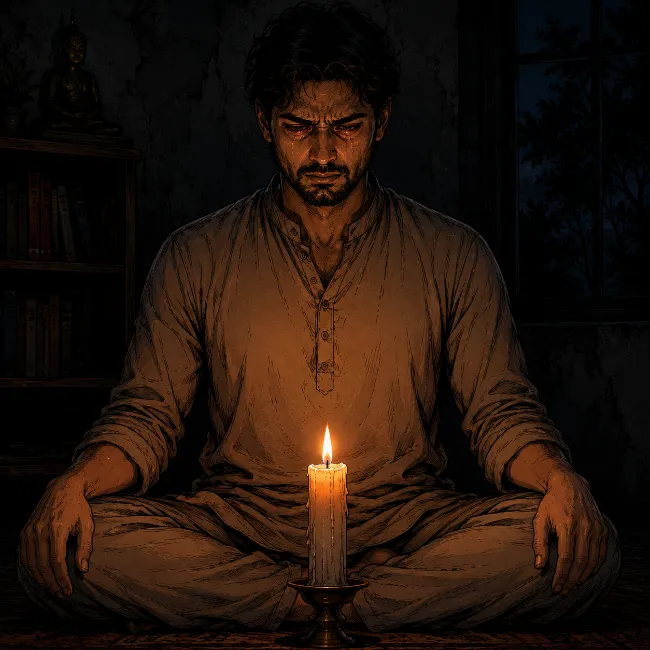
A burning sensation in the eyes usually means the eyes have dried out or the light was too intense for your current level. It is one of the clearest signs to slow down.
What it feels like
Your eyes feel hot, stinging, or irritated during or after practice, sometimes with redness or a gritty feeling. Mild warmth that fades within a few minutes is not unusual. Burning that lingers after your session, or comes back every time you practice, means something in your routine needs to change.
Why it happens
Candle and lamp gazing (deepak trataka) is attractive because many practitioners link it with a sharper, more magnetic gaze and a feeling of rising inner energy. That is a big reason beginners go straight to it. But a flame is bright, it flickers, and it dries the eyes faster than a black dot does. The common causes are:
- Starting with a flame too early. Beginning with a candle or lamp, without first building comfort with bindu (black dot) trataka, puts extra strain on your eyes.
- Skipping the easy steps. Forcing an advanced object before your eyes are ready leads to irritation and loss of moisture.
- Gazing too long or too close. A flame that is very close, very bright, or watched for too long will irritate the eyes.
- Dry surroundings. A fan, air conditioner, or heater blowing across your face makes burning worse.
- No eye care afterwards. Skipping a rinse and a short rest after practice leaves the eyes irritated, especially after a long session.
Some people also feel a burst of energy or heat in the body during flame practice. If the heat is in your eyes, treat it as a physical signal and not a sign of progress.
What to do about it
- Go back to a black dot. Use bindu trataka until your eyes stay comfortable for several sessions in a row.
- Shorten your sessions. Start with 3 to 5 minutes and do not force your eyes open.
- Blink when you need to. Steady focus matters more than a long, unblinking stare.
- Move the flame back. Place it at eye level, about 60 to 90 cm away, and avoid a flame that is too bright.
- Reduce airflow. Practice in a still, dim room.
- Rinse with cool, clean water after practice, then rest your eyes for a few minutes with them closed.
When to see an eye doctor
See an eye doctor if the burning lasts more than a day or two after you stop, or if you notice pain, redness, light sensitivity, or blurred vision that does not clear.
Tight Feeling in the Forehead
A tight or stretched feeling between the eyebrows is a common effect of trataka, and it is usually muscle tension that you can relax. Many practitioners also link it to the “third eye” area, but you should treat it first as a physical signal.
What it feels like
You feel pressure, pulling, or tightness in the forehead or between the eyebrows, during practice or after it. Many people notice it after the first two to three weeks of regular practice, when sessions get longer or more intense. A mild sensation that fades soon after you finish is common. Tightness that stays for hours, or comes with a headache, means you are straining.
Why it happens
There is a physical explanation and a traditional one.
The physical explanation:
- Muscle tension. Intense focus makes many people frown, squint, or tighten the brow without noticing.
- Eye strain. The muscles around the eyes work hard during a long, steady gaze, and the tension spreads to the forehead.
- Staring too hard. Trying to force concentration, instead of letting it settle, tightens the whole face.
The traditional explanation: Many yoga and tantra traditions place the ajna (third eye or sixth) chakra between the eyebrows. Practitioners often describe the sensation as energy gathering there, or as a sign of early inner awakening. Different teachers read it differently, and there is no scientific proof for these explanations. You can respect that view and still treat the sensation as something to manage.
How it can affect you
When the tension builds up day after day, some people feel irritable, frustrated, or withdrawn, or they don’t want to talk to anyone. If you notice this after practice, take it as a reason to reduce the intensity, not as proof of progress.
What to do about it
- Relax your face before you start. Soften your forehead, eyebrows, jaw, and the skin around your eyes.
- Notice frowning. If you catch yourself squinting or furrowing your brow, relax and begin again.
- Shorten your sessions. Go back to 3 to 5 minutes until the tension stops.
- Close your eyes and breathe. When you feel the stretch, close your eyes and take slow, even breaths. Silently tell yourself, “My mind is calm.” Continue for one to two minutes, and the tightness often eases.
- Gently massage the forehead and temples with your fingertips after practice.
- Rest between rounds, especially if you practice more than once a day.
When to see a doctor
See a doctor if the forehead pain becomes a headache that returns after most sessions, or if it comes with vision changes, nausea, or dizziness.
4. Eye Sensitivity to Sunlight
If your eyes sting or feel uncomfortable in bright daylight after trataka, they are tired, dry, or irritated. It usually passes with rest and a gentler routine.
What it feels like
Bright light outdoors makes you squint, and your eyes feel pricked, sore, or sensitive. In some cases it is strong enough that you want to stay in dim rooms. A mild effect for a few minutes after practice is not unusual. Sensitivity that lasts through the day, or continues for days, is a sign to adjust.
Why it happens
Trataka is usually done in a dim room with a small light source, and several things can make daylight feel harsh afterwards:
- Dry or strained eyes. Reduced blinking dries the eye surface, and dry, tired eyes are more sensitive to light.
- A dim room followed by bright light. After practicing in low light, stepping straight into strong sun is a sudden change, and it can sting for a few minutes.
- A flame that is too bright or too close. Staring at an intense light for too long can leave the eyes irritated.
- Practicing for too long. Long sessions tire the eye muscles, and tired eyes cope less well with glare.
Some practitioners say the eyes “get used to” artificial light. There is no clear evidence for that, so treat the sensitivity as strain and not as adaptation.
What to do about it
- Shorten your sessions to 3 to 5 minutes and build up slowly.
- Use a black dot or a softer flame and keep the light at eye level, about 60 to 90 cm away.
- Let your eyes adjust. After practice, rest with your eyes closed for a minute or two, then move into daylight gradually.
- Protect your eyes outdoors. Wear sunglasses on bright days until the sensitivity settles.
- Rinse with cool, clean water and rest your eyes, especially after screen time.
- Try gentle outdoor trataka. Practice in soft morning light, with a relaxed gaze on a tree, a leaf, or a plant. It trains steady focus in natural light and is easier on the eyes. Keep the gaze soft, blink naturally, and do not look at the sun or at a bright sky.
Safety note: Never practice trataka on the sun. Looking directly at it can permanently damage the retina.
When to see an eye doctor
See an eye doctor if the sensitivity lasts more than a few days after you stop practicing. Get urgent care if it comes on suddenly or comes with severe eye pain, redness, flashes of light, floaters, or loss of vision. Light sensitivity can have medical causes, including dry eye and eye inflammation.
Restlessness, Irritability and Feeling Hot After Trataka
Some practitioners notice changes in mood and energy during trataka, such as feeling restless, irritable, or unusually warm. These changes are usually temporary, and they are a sign to slow down and balance your practice.
What it feels like
- Feeling hot or restless in the body, especially after practice
- Getting irritated or angry more easily than usual
- Feeling wired or unable to settle, sometimes with trouble sleeping
- A sudden change in habits, such as talking less or feeling unusually quiet
For some people the change goes the other way and they feel calmer and more stable than before. Both are common, and neither is a problem by itself. It needs attention when the feeling is strong, lasts, or starts to affect your day.
Why it happens
The practical explanation:
- Overstimulation. Intense focus, especially on a flame in a dark room, can leave the nervous system alert and keyed up instead of calm.
- Practicing too long or too late. Long sessions, or sessions close to bedtime, can make some people feel energized and unable to wind down.
- Strain and tension. Tight eyes, forehead and jaw can show up as irritability.
- Less talking and stimulation. When you spend more time in silence, you may notice emotions you usually ignore.
The traditional explanation:
In yoga and tantra, many teachers describe this as prana (life energy) increasing and moving through the body. They link the feeling of heat to that rising energy. The explanation is a matter of tradition, and science has not confirmed it. You can respect it and still manage the experience in practical ways.
What to do about it
- Shorten your sessions to 3 to 5 minutes and avoid practicing late in the evening if you feel wired afterwards.
- Switch to a black dot if flame practice leaves you overstimulated.
- Wind down after practice. Close your eyes, breathe slowly, and sit quietly for a few minutes before returning to activity.
- Try Yoga Nidra or nyas meditation. Many practitioners use these to settle the body and mind, and they are gentle and easy to do after trataka.
- Keep your routine grounded. Walk outside, drink water, eat regularly, and sleep enough.
- Take a break. If you feel irritable or heated for several days in a row, pause trataka for a week and return gently.
When to get help
Stop practicing and speak to a doctor or a qualified mental health professional if you feel persistent anger, anxiety, panic, or low mood, if you can’t sleep for several nights, or if you feel detached from reality or unlike yourself. Meditation practices can sometimes bring up strong emotions, and getting support is the right response.
6. Feeling Withdrawn or Isolated After Trataka
Some people feel unusually quiet, withdrawn, or less interested in talking to others after practicing trataka for a while. A little calm is a normal and welcome effect. It only becomes a concern when it turns into isolation or starts to upset you.
What it feels like
- You feel very calm and still, and thoughts quiet down
- You prefer to be alone and want to talk less
- Conversations feel tiring, or you get irritated when people talk to you
- You feel low, frustrated, or disconnected from the people around you
Feeling calmer is a common result of focused practice. The warning sign is when the quiet stops feeling peaceful and starts feeling like pulling away from life.
Why it happens
The practical explanation:
- Quiet and inward focus. Trataka trains you to turn attention inward. After regular practice, ordinary conversation and noise can feel louder and less appealing.
- Spending more time alone. If practice replaces time with friends and family, you naturally become more isolated.
- Overstimulation or tiredness. A session that is too long or too intense can leave you drained and wanting to be left alone.
- Strong feelings coming up. When the mind is quiet, emotions you usually push aside can surface, and some people withdraw to avoid them.
The traditional explanation:
Many spiritual traditions see this as an early stage of the inner journey, where the mind turns inward and worldly talk loses its pull. You can respect that view. But a calm mind should leave you feeling clear and steady, not cut off. If you feel upset, lonely, or frustrated, treat it as a signal to rebalance, not as proof of progress.
What to do about it
- Keep your social life going. Make time for friends and family, especially on days you practice.
- Keep a short journal. After each session, write down how you feel, your mood, and any changes you notice. Patterns become clear within a couple of weeks.
- Listen and talk. Spend a few minutes each day in real conversation, and share what you are experiencing with someone you trust.
- Ask for honest feedback. Loved ones often notice changes in mood before you do. Ask them whether you seem different.
- Shorten and balance your practice. Keep sessions to 3 to 5 minutes, and follow them with something active, like a walk or a meal with others.
- Take a break if needed. If you feel disconnected for several days, pause trataka for a week and see how you feel.
When to get help
Speak to a doctor or a qualified mental health professional if the withdrawal lasts more than two weeks, if you feel persistently sad, hopeless, or numb, if you lose interest in things you used to enjoy, or if it affects your work, sleep, or relationships.
If you ever have thoughts of harming yourself, contact a local emergency number or a crisis line right away. Meditation can sometimes bring up difficult emotions, and getting support is the right response, not a sign that you failed.
7. Blurred Vision After Trataka
Brief blurry vision right after trataka is common and usually clears within minutes. It is a temporary effect of holding your gaze on one point, and it is not lasting damage. Blur that stays is a different matter, and that is a sign to stop and check your eyes.
What it feels like
- Things look hazy or out of focus for a short time after you finish
- Your eyes feel stuck on one point, and the surroundings take a moment to look clear
- Your vision settles after blinking and resting your eyes
Why it happens
- Dry eye surface. When you blink less, the tear film on the eye breaks up, and the surface looks blurry until tears spread again.
- Tired focusing muscles. Holding a steady gaze at one distance tires the muscles that adjust focus, and they need a moment to relax.
- Afterimage. Looking at a bright flame can leave a lingering image that blocks your view for a short time.
- Practicing too long or too intensely. The longer and harder you stare, the longer the blur lasts.
- Starting with a flame. A bright, flickering light causes more blur than a black dot.
Trataka is not all the same: the method, object, and duration should match your level and your purpose, and your body and mind need to be ready for it. The blur is usually a sign that the session was too long or too intense for you right now.
What to do about it
- Blink several times when you finish, and keep blinking naturally.
- Close your eyes and rest for a minute or two, then open them slowly.
- Look into the distance. Look at something far away, such as a tree or the horizon, to relax your focusing muscles.
- Rinse with cool, clean water if your eyes feel dry.
- Avoid screens and driving until your vision is fully clear.
- Shorten your sessions to 3 to 5 minutes, and use a black dot before a flame.
- Practice in a still room with no fan blowing on your face.
When to see an eye doctor
Stop practicing and see an eye doctor if the blur lasts more than a couple of hours, comes back after most sessions, or comes with eye pain, redness, or headaches. Get urgent medical care if you notice sudden loss of vision, flashes of light, new floaters, or a dark curtain over part of your sight.
Normal vs Not Normal Side Effects of Trataka
Some discomfort during trataka is normal. Pain, lasting blur, or symptoms that return after every session are signs to stop and reassess. Use this table as a quick check.
| What you notice | Normal (usually fine) | Stop and reassess |
|---|---|---|
| Watering eyes | Mild tearing during the gaze that stops within a few minutes of finishing | Watery, dry, or gritty eyes that continue through the day |
| Urge to blink | A strong urge that you can tolerate calmly, and blinking when needed | Fighting the urge hard, or feeling you must force your eyes open |
| Eye fatigue | A short feeling that the eyes worked hard, gone soon after practice | Tired, aching eyes that last for hours or build up day after day |
| Blurred vision | Haziness that clears within minutes after blinking and resting | Blur that lasts more than a couple of hours, or returns after most sessions |
| Burning or dryness | Mild warmth that fades within a few minutes | Burning that lingers after you finish, or happens every time |
| Afterimage | A brief image of the dot or flame that fades when you close your eyes | Spots, flashes, or an afterimage that stays long after practice |
| Forehead feeling | A mild stretch between the eyebrows that fades soon after you finish | Tightness for hours, or headaches after most sessions |
| Light sensitivity | Slight squinting for a few minutes when you step into daylight | Sensitivity that lasts through the day or for several days |
| Mood and energy | Feeling calmer, steadier, or quietly focused | Feeling restless, irritable, wired, or cut off from other people |
| Pain | None | Any sharp, stabbing, or lasting eye pain |
Who Should Avoid Trataka?
Trataka is low-risk for most healthy adults, but some people should skip it or check with a doctor first. If any of the groups below apply to you, don’t start on your own. Ask your eye doctor or physician, and take their advice over any general guide, including this one.
People who should talk to a doctor first
1. People with dry eye
Trataka reduces blinking for a short time, so it can irritate eyes that are already dry. If you have dry, burning, or gritty eyes in daily life, start with very short sessions, blink whenever you need to, and stop if symptoms get worse.
2. People with glaucoma or high eye pressure
If you have glaucoma, or your doctor has told you your eye pressure is high, ask your eye specialist before you try any gazing practice. Some eye conditions need individual advice, and a general rule of “safe for everyone” would not be honest.
3. People with retinal disease or recent eye surgery
This includes retinal tears or detachment, diabetic eye disease, and recovery after eye surgery. If your doctor has told you to avoid eye strain, follow that advice.
4. People with an eye infection or acute eye irritation
Wait until your eyes have fully recovered. Practicing during an infection, a severe dry-eye flare, or eye inflammation will make it worse.
5. People with epilepsy or sensitivity to flickering light
A candle flame flickers, and flickering light can trigger seizures in people with photosensitive epilepsy. If this applies to you, talk to your doctor first. A steady black dot is the safer choice.
6. People who get migraines
Avoid practicing during a migraine, or when you feel one starting. Bright or flickering light and intense visual focus can make symptoms worse.
7. Children
Children’s eyes are still developing, and they are less able to judge when to stop. Children should not practice trataka on their own. If a child’s school or teacher recommends it, check with the child’s doctor first and keep sessions very short and supervised. Never leave a child alone near a lit candle.
Take extra care if you have
Anxiety, depression, trauma, or other mental health conditions.
Trataka is a quiet, inward practice, and it can sometimes bring up strong feelings. If you are in treatment, tell your therapist or doctor before you begin, go gently, and stop if you feel panicked, numb, or detached from reality. Trataka is not a replacement for professional care.
Contact lens wearers.
Dryness builds faster with lenses. Many people find it more comfortable to remove them before practice. Ask your eye doctor what is right for you.
People with long screen hours.
This is not a reason to avoid trataka, but your eyes may already be tired or dry. Practice when your eyes are rested, and keep sessions short.
A simple rule: If you have any eye condition, a history of seizures, or you are unsure, ask a doctor before you start. If you don’t have a medical reason to avoid it, begin with a black dot, 3 to 5 minutes, and a still room.
Conclusion: Is Trataka Dangerous?
Trataka is usually safe for healthy adults when it is practiced gently, and most side effects come from forcing it. Watery eyes, burning, blur, a tight forehead, restlessness, or feeling withdrawn are signals that your practice needs adjusting. They are not reasons to give up.
When something feels wrong, go back to the basics:
- Start with a black dot, not a flame.
- Keep sessions to 3 to 5 minutes and build up slowly.
- Blink when you need to, and keep your face relaxed.
- Rest, rinse your eyes with cool water, and stay connected to the people around you.
Trataka is also a practice to approach patiently. People run into trouble when they chase quick results, such as a powerful gaze or special abilities, instead of building steady focus. Take it step by step, and let your own experience guide you.
If a symptom is sharp, lasting, or getting worse, stop practicing and see an eye doctor or another qualified professional.
I hope my own experience with trataka helps you start in a safer and calmer way. If you want to go deeper, read my guide on trataka meditation without a guru next.
Frequently Asked Questions About Trataka Safety
Is trataka safe for the eyes?
For most healthy adults, trataka is considered gentle when practised in short sessions and built up slowly. It can cause irritation if you strain, stare for too long or use a flame too early. If you have an eye condition, check with your doctor first.
Can trataka damage your eyesight?
There is no reliable evidence that careful, short trataka sessions damage eyesight. Forcing long sessions can cause temporary strain, dryness and blur. If vision changes last or you notice pain, stop and see an eye doctor.
How long should beginners practise trataka?
Start with 3 to 5 minutes and increase slowly. Many teachers suggest staying within 10 to 15 minutes. Comfort and regular practice matter more than duration.
Is candle gazing more dangerous than gazing at a dot?
Candle gazing is more intense. The flame is bright and can flicker, and it can dry the eyes. That is why beginners are usually advised to start with a black dot.
Do I need a teacher to practise trataka?
You can learn the basics on your own, but a qualified teacher can help you notice problems early, especially if you want to practise longer or use a flame.
Can trataka cause blindness?
There is no credible evidence that gentle, moderate trataka causes blindness in healthy people. The real risks come from forcing long sessions, practicing with an eye condition, or gazing at the sun. Never practice trataka on the sun, because looking directly at it can permanently damage the retina. If you notice sudden loss of vision, flashes of light, or new floaters, see an eye doctor urgently.
Is it safe to do trataka every day?
For most healthy adults, yes, if the sessions are short and comfortable. A few minutes daily is safer than a long session now and then. Daily practice becomes a problem only when frequency turns into excess duration, so keep to 3 to 5 minutes at first and take a break if your eyes feel strained.
Is trataka at night dangerous?
No, night practice is common, and a dim room makes the flame or dot easier to see. The only caution is how you respond. If evening practice leaves you feeling wired or restless, move your session earlier in the day. Never leave a lit candle unattended.
Is watering bad?
Not usually. Mild tearing is normal, because reducing your blinking dries the eye surface and the eye responds with tears. It should stop within a few minutes of finishing. If your eyes stay watery, dry, or gritty through the day, or you feel pain, shorten your sessions and see an eye doctor if it continues.
Is it safe with contact lenses?
It is often less comfortable, because lenses dry out faster when you blink less. Many people find it easier to remove them before practice. If you want to keep them in, keep sessions very short and blink freely, and ask your eye doctor what is right for you.
Follow Us & Stay Connected
Enjoyed this article? Follow us for more fascinating stories, mysteries, spirituality and the unexplained.