
Black Magic Baby: The Macabre History of Kuman Thong a famous Thai urban legend that became The Deadly Pact of Kumanthong Village.
Kuman Thong (Thai:, which means “golden child”) is a child ghost who protects, according to the Thai folk belief and animism traditions. One of his great deeds is that he helps his owners solve their everyday problems.
Most of the time, he will give a warning if danger is approaching, and in general, he is capable of bringing luck and fortune. All of these are only if the kuman is regularly given his little offerings like sweets, milk, or toys.
This belief in kuman can be traced way back to the legendary Thai epic Khun Chang Khun Paen, which is a major literary work from the Ayutthaya period (13501767 CE) that was further developed in the nineteenth century.
At the end, the warrior Khun Paen does a ritual that turns his wifes aborted fetus into a spirit that will always be with and loyal to him through the use of fire and chants.
According to historical documents and old manuscripts, there were indeed some very brutal procedures during the time when kumanthong was made. To attract kuman spirits, one had to get a stillborn or aborted fetus which was usually done illegally.
The bodies were dried at the cemetery before sunrise, kept with lacquer, and covered with gold pieces to bind the spirit.
These kinds of practices have now been prohibited by the Thai government, and it is also illegal to use human remains for occult purposes.
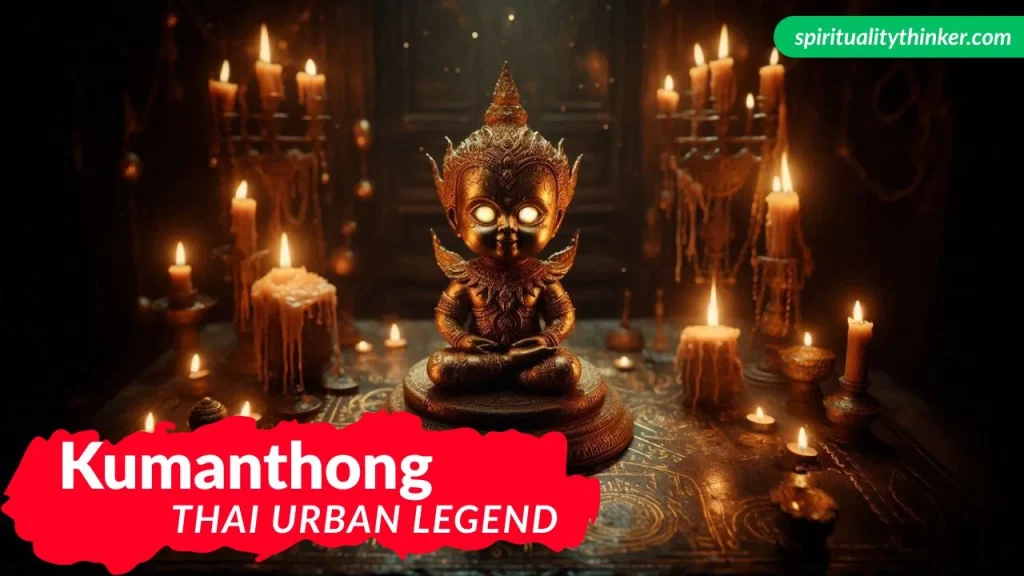
Nowadays, the urban legend of Kumanthong is mostly depicted through symbolic means.
For instance, wooden statues carved from wood that was thought to be consecrated in the temple or factory, made dolls placed on the altar in the house are typical examples of kuman thong.
This way of modernizing the idea is not using human remains, and at the same time, it is allowing the belief to persist within a wider Thai religious framework that integrates Buddhism, Hindu elements, and local animism.
Anthropologists interpret kuman thong as spirits of the threshold who derive their potency from the notion of untimely child death; at the same time, members of the former ruling class would often ridicule the practice as mere superstition.
In spite of the moral arguments and sporadic police interventions, including the major seizure of 2012, the belief in kuman thong is still maintained as a means by which people can obtain help and blessing at a time of insecurity.
The Legend of the Kuman Thong (Golden Boy Ghost)
Soft prayers and the gentle clink of small offerings often fill the afternoon air in narrow so is of Bangkok and the unhurried lanes of Isan. Householders who use Kumanthong, which means “golden boy,”
Keep it on polished shelves or small altars they have at home, thus both displaying and keeping the mystery of their helpers.
The cheerful little child figures, which are painted or molded, are often covered with gold leaf, dressed in red cloth, and looked after with the care given to a family member.
Some people regard the golden baby Kumanthong as a superstition only, while for others it is a constant companion with whom they share their daily life.
Kuman Thong: black magic baby is the source of various benefactions luck in business, safety during trips, and coming of children or general prosperity.
And if you want to keep the lucky figure happy, its best to have a follow a disciplined regime: early morning incense, a little milk in the tiny cup, the children’s toys and games left out, and a few kind words to the benevolent spirit for netting a profit or warding off the bad ones.
There is a mixture of a kind of frenzied faith and caution in the tales about the Kuman Thong.
These stories, guarded by silence during speaking and gathering around the candlelight, depict a descent from the dark witches’ arts and severe ascetic practices of monks, through characters that were added by the degraded conscience and the leisure of the spirits, of, the, moment, to an amiable image of a guardian angel.
The belief has been transformed over the years under the influences of culture, morality, and values changes.
The Major Difference between Kumanthong and Kuman Nee
Kuman Nee is the female equivalent of Kuman Thong urban legend according to Thai folk occult traditions. It generally refers to spirits or images of deceased girl children who became supernatural helpers.
The term “Kumanthong” literally means “golden boy” and is centered on male child spirits believed to be endowed with strong powers for protection, wealth, and good fortune, while Kuman Nee stands for female spirits whose influence is seen as more discreet and narrowly targeted.
This gender, based division of spirits has influenced the different ways people deal with them.
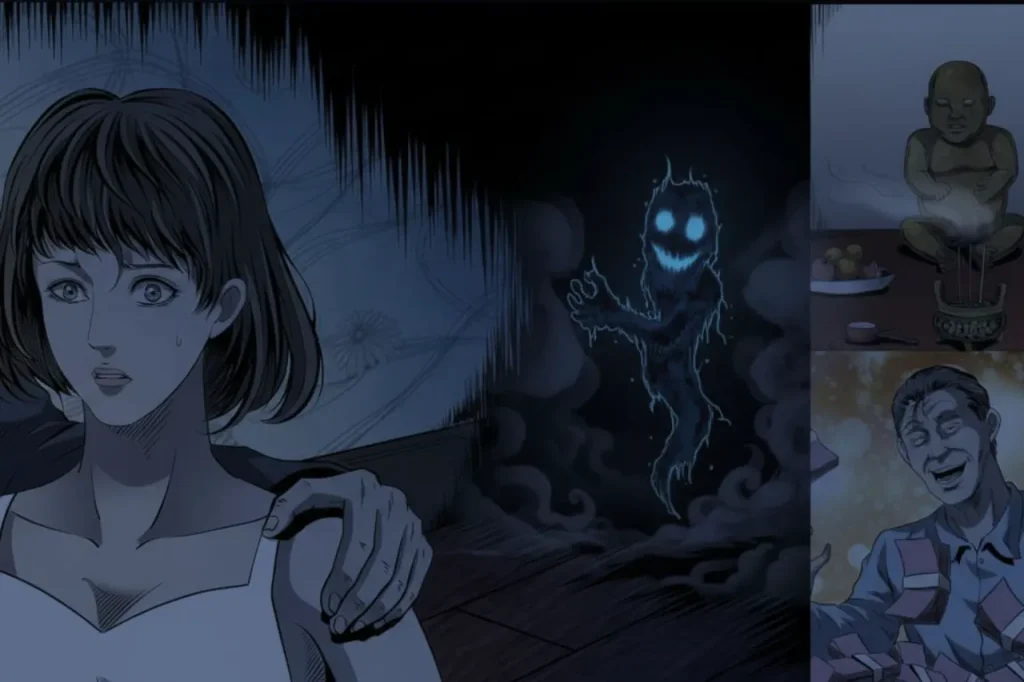
It was assumed that male spirits were of greater strength and thus masculine Kuman Thong have been traditionally favored for activities related to power, competition, or moneymaking.
Kuman Nee are less invoked and mainly represent such qualities as intuition, emotional equilibrium, caring, love, and household harmony.
Both Kuman Thong and Kuman Nee are thought to demand faithful care and recognition, which is normally done through offerings and daily talking to them to ensure their loyalty and effectiveness.
However, the fact that Kuman Nee are very uncommon in traditional ceremonies reflects the traditional belief that male spirits are more powerful.
Nowadays, a few amulet dealers selling female child spirits have emerged but they are mostly sold as general child, spirit amulets without being distinctly called Kuman Nee.
Read : Wendigo monster from Algonkian mythology what make it most strongest creature
Creation and representation of kuman thong
As we know Kumanthong the spirit of golden baby boy is traditional process of making spirit of baby boy that bring good luck and fortune in their life. Ancient Thai people summon him for protecting their treasure and valuable asset.
The traditional concept of making Kumanthong originates from the Thai epic Khun Chang Khun Paen, a highly popular story from the Ayutthaya era (14th, 18th century) that was orally transmitted until the nineteenth century when it was first published.
Here, warrior Khun Paen brings out the fetus from the dead wife’s body and performs a necromancy on it. The story describes that while the man was reciting dark incantations during the roasting of the fetus over an open flame, a golden spirit boy was born.
This spirit boy is said to be his loyal companion, especially in times of war. Set around the mid, 1500s and linked to Wat Kae temple in Suphan Buri, the narrative became the stepping stone of rural faith in granting the power of Kuman Thong to the ghost of a male child who died prematurely.
Literary legend aside, the practice of folk tradition speaks of similar but more elaborate rituals too. A stillborn or aborted male baby, if obtainable with the familys consent or through secretive methods, is taken to a cemetery.
There a mor phia sorcerer or a ghost doctor who is an expert of occult knowledge performs the ritual.
The body was reheated very gently over a small fire until the skin dried completely just before the sun rose, while the chanting of katha, i.e. spell verses, were carried out to call and attach the ghost of the child so that it won’t roam or harm others.
After drying, the body parts were first smeared with ya lak, a herbal lacquer known for body preserving and shrinkage, and then the gold leaf was applied to symbolize the thong, or golden aspect, which was believed to enhance its power.
This is how some of the ceremonies proceeded, with the inclusion of nam man phrai, an occult oil made from the remains of a person who died violently or suddenly, which was believed to increase the spirits power and willingness.
When the Kuman Thong doll was done, it was given a name, regularly offered with food and kept in a shrine or amulet. The spirit that was bound in this way was thus supposed to provide protection or bring luck.
These practices, originating from old animistic beliefs, were very strict in terms of ritual discipline because the mistake was believed to be a serious spiritual disaster.
Due to ethical consideration and laws prohibiting such practices, they have been mostly performed in secrecy for a long time and now are generally forbidden.
Kuman thong doll Role in Thai Folk Religion and Society
In Thai folk belief, which blends Theravada Buddhism with animist and Brahmanist traditions, Kuman Thong is regarded as a household spirit linked to the soul of a deceased child.
It is believed to assist its caretakers through supernatural means, offering protection, warning them of danger, and helping attract luck, especially in business, gambling, and everyday matters.
Followers see Kuman Thong as a liminal being whose power comes from an untimely death, allowing it to move between the human world and the spirit realm to influence events in subtle but meaningful ways.
Devotion centres on treating the Kumanthong figure, usually a small statue or doll, as if it were a living child. Daily care may include offering milk or sweets, giving toys, changing its clothes, and reciting short prayers or chants.
This attention is believed to keep the spirit loyal and helpful, while neglect is said to invite mischief or even harm.
In some traditions, Kumanthong urban legend also appears in spirit-medium practices, where it may manifest through possession, often behaving playfully or cheekily, reflecting the nature of a child.
On a wider social level, Kumanthong reflects Thailand’s deeply rooted supernatural worldview.
These figures are commonly placed on home altars alongside spirits and deities drawn from Indian, Chinese, and regional Southeast Asian beliefs, showing how everyday spiritual life often exists outside formal Buddhist authority.
Interest in Kuman Thong grew sharply after World War II, during periods of economic uncertainty, especially among people working in Thailand’s large informal economy.
For many, such beliefs offered a sense of control and reassurance, seen today in practices like temple visits to seek lucky numbers or favorable signs.
Across both cities and rural areas, belief in Kuman Thong continues to shape choices related to business, risk-taking, and even views on childhood.
It reveals a cultural tension where child spirits are seen as both vulnerable and powerful, deserving care yet capable of bringing prosperity.
Although long criticized by authorities as superstition, the enduring presence of Kuman Thong highlights how these beliefs remain meaningful as personal tools for hope, protection, and empowerment.
Read : Grant your 3 wishes with demon ifrit from islamic Mythology powerful Jinn in Islam
5 interesting facts about the urban legend of Kuman Thong
Born from a Famous Thai Epic
the legend of Kuman Thong comes from Khun Chang Khun Paen, one of Thailand’s most famous epics. In the story, a warrior creates a magical child spirit to protect him in battle.
This tale shaped how people later imagined Kuman Thong as a loyal yet powerful child ghost.
A Child Spirit Treated Like Family
Unlike many ghosts, Kuman Thong is not feared by its caretakers. It is treated like a living child, given food, milk, toys, and even new clothes.
Many families speak to it daily and believe kindness keeps the spirit helpful and calm.
Believed to Help with Luck and Protection
In urban legends, Kuman Thong is said to warn owners of danger, protect homes, and bring good fortune. Business owners, gamblers, and travelers especially believe it helps them sense opportunities or avoid bad outcomes.
From Dark Origins to Modern Dolls
Older legends describe disturbing creation rituals involving forbidden magic, which gave Kuman Thong its dark reputation.
Today, most people use symbolic statues or dolls instead, transforming the legend into a safer, modern spiritual practice while keeping the myth alive.
Both Loved and Controversial
Kuman Thong exists at the center of debate in Thai society. Some view it as cultural heritage and a form of folk spirituality, while others criticize it as superstition or unethical belief.
This tension is part of what keeps the urban legend mysterious and widely discussed.
Controversies and Ethical Issues
No doubt Thai culture believe that Kumanthong bring fortune in their life but, in reality the golden boy spirit who is made from fetus and black magic rituals.
People often use it to protection their money and treasure. Sometime they bound it with a place and make it cursed.
Links to Fetal Exploitation and Black Magic
Traditional stories of making a kuman thong generally depict the character of the folk necromantic rites carried out on stillborn fetuses or miscarried fetuses.
In ancient esoteric beliefs, the fetus is taken out of the mother’s womb, brought to a cemetery, and laid out to dry slowly in a low fire through the recitation of invocations to bind the spirit.
The preserved corpse is then lacquered and gilded to create a statuette meant to be the home of the child spirit that protects the family.
Due to the fact that these rites were about summoning and controlling the dead for ones own benefits, they were for a long time identified as black magic.
Eventually, these practices led to major ethical concerns.
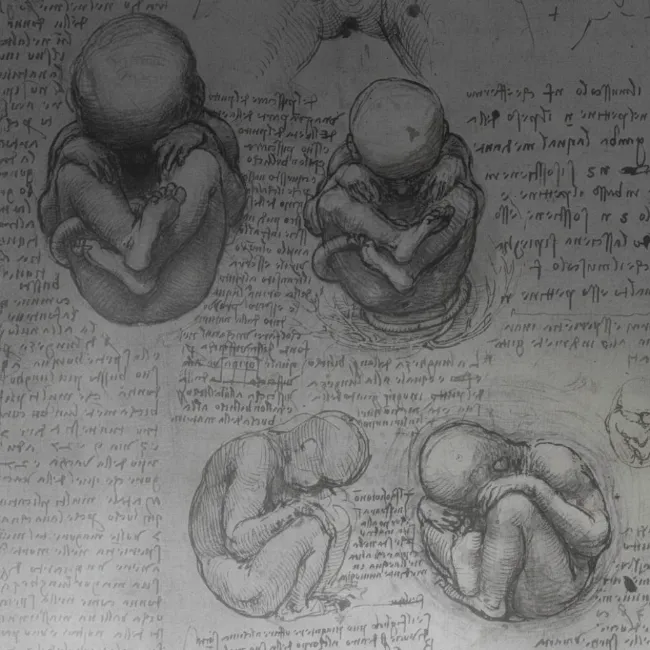
Practitioners were reported to have intentionally aborted fetuses or taken fetuses from illegal clinics to satisfy markets, so critics of the tradition called it exploitation and desecration rather than respect.
A very shocking case of this nature is the one in which, in November 2010, the Thai police found over 2, 000 preserved fetuses at a temple in Bangkok, and many of them were traced to illegal abortions.
This discovery showed a deeply disturbing connection between secretive medical procedures and occult markets related to kuman thong beliefs.
A series of subsequent events happened. For instance, in 2018, the bodies of ten infants were taken from a cemetery in Rayong province, with the police suspecting their use in witches’ rituals to make spirit amulets.
The world’s attention was most attracted to a story of a British man of Taiwanese origin in May 2012, when he was arrested in Bangkok after the police found six roasted fetuses covered in gold leaf in his hotel luggage.
The fetuses were to be used for ritual purposes and sold to the believers who wanted to get supernatural favors, thus, the trafficking of human remains for commercial purposes was disclosed.
Other similar cases of scandals followed. For example, in 2015, the Thai monk was charged after it was found that an infant’s corpse was buried under the shrine. These cases reflect the connection between the Thai urban legend of kuman thong lore and the acts of abuse and crime.
The people who are spiritually inclined still consider these acts as necessary, but the public has gradually started to see them as cruel acts.
In the meantime, police raids have discovered that there are still the remains of fetuses that have been prepared for the rituals or for being exported, thus, the practice is said to be the core of the black magic underground world, notwithstanding the great Buddhist and legal prohibitions in Thailand.
Read : Identify an Incubus demon or succubus demon 5 thing to connect with demon and hidden risks
Kumanthong urban legend of Thai culture conclusion
Whenever myths that are traditionally associated with temple courtyards get inside people’s houses, they inevitably undergo changes.
Thus, Kuman Thong simultaneously becomes a collective memory and a living reality, acting as a symbol of love, a prayer focus, and a shared duty in the family.
Throughout Thailand, the Golden Boy is still greatly admired by those who believe in its subtle power, although it is also challenged by intellectuals and clergymen who raise issues such as ethics, belief, and commercialization.
For those families who have a shrine dedicated to Kumanthong, it is not by any means the attainment of sudden riches or a totally carefree life that characterizes their relationship with the practice. Rather, it is all about the pledge and habit.
Indeed, worshipping a Kumanthong is essentially taking on a daily task: the milk being offered to Him in the morning, the incense being burned in the afternoon, and the words of gratitude being said at night.
These insignificant deeds produce a moral bond, thus, faith becomes a way of life rather than merely making wishes.
This kind of devotion is a throwback to older domestic spirituality where strong, continual personal care was the means of expressing faith. It carries a message that goes beyond earning heavenly rewards through one’s good deeds.
The real strength of the story is in how it influences people’s way of life giving them a reminder that if a family member keeps an eye on you, you feel that a bond has been established and love is reciprocated in most unexpected ways.
At one level, the smile of the Golden Boy should not be understood as his assurance of wealth. It is rather an opening to the world of a human being who is responsible, kind and aware.
The Kuman Thong tradition advocates through its rituals and devotions the practice of those habits that most deeply unite families and that thereby bring significance to everyday life.
FAQ
Q.1 What is Kuman Thong?
Kuman Thong (Thai: กุมารทอง, meaning “Golden Child” or “Golden Boy”) is a spirit figure in Thai folklore and folk religion, believed to represent the spirit of a deceased child that can bring protection, luck, and prosperity to its owner when properly revered.
Q. Where does the legend of Kumanthong come from?
The legend originates from the Khun Chang Khun Paen epic, a famous Thai folktale from the Ayutthaya period. In the story, the warrior Khun Paen performs a ritual to transform the spirit of his child into a protective entity that supports him in battle.
Q. How is Kumanthong typically represented today?
In modern practice, Kuman Thong is most often represented by small statues or dolls placed on household altars, where devotees offer milk, sweets, toys, incense, and other gifts as part of everyday rituals to maintain the spirit’s favor.
Q. Did traditional creation rituals involve human remains?
Historical accounts describe necromantic practices involving the remains of stillborn or miscarried fetuses, which were dried, lacquered, and gilded in an attempt to house the spirit. These methods are now illegal and strongly discouraged, and most contemporary Kuman Thong are symbolic figures instead.
Q. Why is Kumanthong controversial?
Although many Thais treat Kuman Thong as a source of protection and good fortune, critics—including religious figures and scholars—argue that the practice reflects superstition, raises ethical concerns, and can commodify spiritual belief. Some believe neglecting care for the spirit might invite misfortune.