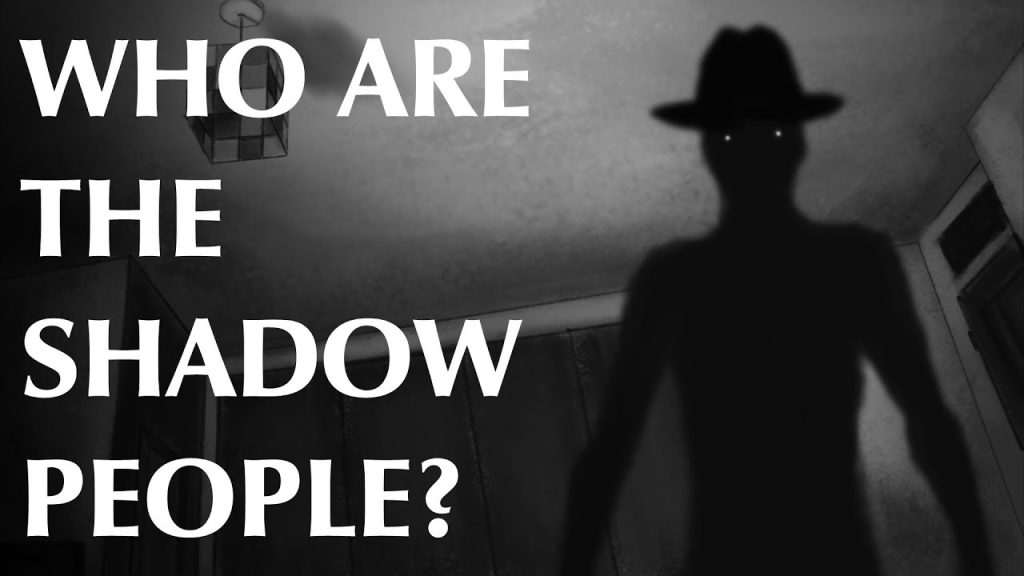
A sleep paralysis demon is a frightening hallucination that occurs when you wake up or fall asleep and your body is temporarily paralyzed.
You may sense a menacing presence, feel pressure on your chest, or see a dark figure. It is not supernatural. It is the brain’s response to being awake while still partly dreaming.
You wake up in the dark, fully aware, but your body will not move. Your chest feels heavy, and you sense someone standing in the room. Your heart races, you try to scream, but no sound comes.
Maybe you even see a shadowy figure. This is what people call sleep paralysis demons: vivid, often terrifying hallucinations that happen during sleep paralysis, a state in which the body is temporarily unable to move while falling asleep or waking up.
Many describe the figures as “demons” or intruders, and for the person lying there helpless, they feel all too real.
You are not alone in this. If it has happened to you, know that nothing is wrong with you. Estimates vary by study, from about 8% to about 30% of people experiencing sleep paralysis at least once.
In as many as 75% of these episodes, the sleeper hears, sees, feels, or senses something in the bedroom that is not actually there.
So why does it happen?
Experiences of sleep paralysis and shadow figures occur when the body is out of sync with the mind. The mind becomes active first, while the body wakes up only after some time.
During those frightening moments, we feel the presence of a shadow figure around us. Because the body cannot move, it seems as if the shadow figure is holding us down.
In this state of fear, the brain releases stress chemicals that make the presence feel even more real.
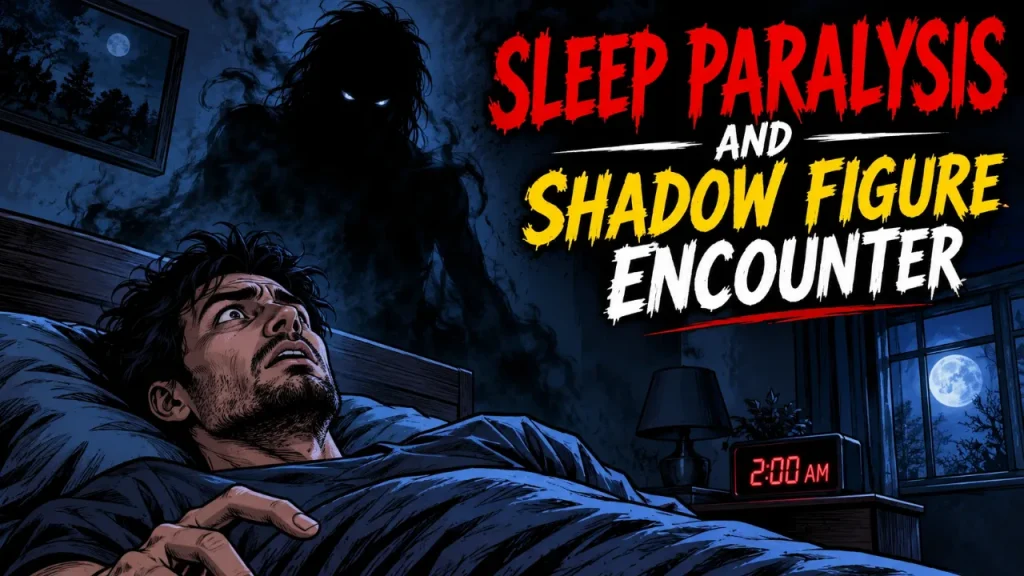
It is natural to feel scared, but this is not paranormal activity. Scientifically, it is an experience caused by a lack of coordination between the body and the mind.
In this article we’ll explore the fascinating topic of sleep demons, including cultural depictions of these intruders, modern scientific explanations, and ways to reduce the risk of sleep paralysis.
- What Is Sleep Paralysis and Sleep Paralysis Demon?
- Frequently Asked Questions About Sleep Paralysis Demons.
What Is Sleep Paralysis and Sleep Paralysis Demon?
As you fall asleep, your body cycles through two types of sleep: rapid eye movement (REM) sleep and non-rapid eye movement (NREM) sleep.
During REM sleep, brain activity rises, and so do your breathing, blood pressure, and heart rate.
This is also the stage where rich, detailed dreams and nightmares take place.
Strangely, while your brain is this active, your body enters a state of temporary paralysis called muscle atonia. It is likely a protective mechanism that stops you from hurting yourself by acting out your dreams.
In sleep paralysis, the line between sleep and wakefulness blurs. At the edge of falling asleep or waking up, you become aware of your surroundings while the muscle paralysis continues for a few seconds to several minutes.
You can think, see, and breathe, but you cannot move your body, and that is what makes it so frightening.
Lack of sleep is the most common trigger. When sleep paralysis occurs in people with no underlying medical condition, it is called isolated sleep paralysis.
When it comes with a sleep-related hallucination, the person begins to see, hear, feel, or sense changes in their surroundings that do not actually exist.
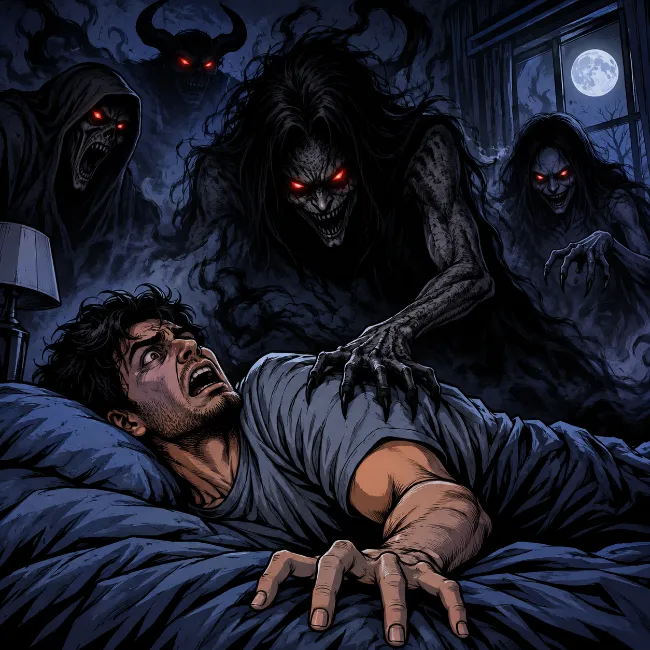
In this state, it is common to feel a heavy weight on the chest, a sense of being watched, or to see shadowy, human-like figures in the room. Because these figures seem menacing and cause intense fear, people often interpret them as demons, ghosts, or intruders.
Sleep paralysis demon can feel supernatural, but most researchers have concluded that these “demons” are the brain’s way of making sense of being conscious while still partly in a dream state.
What Does Sleep Paralysis Feel Like?
Sleep paralysis feels like being unable to move while sensing a shadowy figure nearby. The core symptom is being unable to move or speak while awake, but many people also report:
- A crushing pressure on the chest, as if someone is sitting or pressing on you
- Difficulty breathing, or the feeling of being choked
- A strong sense that someone or something is in the room
- Buzzing, humming, whispering, or footsteps
- Intense fear or dread
- Floating, spinning, or the feeling of leaving the body
The episode usually lasts from a few seconds to about two minutes, though it can feel like an hour when you are terrified. When it ends, you can move again, and the fear often lingers for a while afterward.
Different Types of Sleep Paralysis Demons
Studies and personal accounts describe several types of sleep paralysis demons. Hallucinations may be simple, stationary images, or they may be more complex, multisensory experiences such as intruder, incubus, or vestibular-motor hallucinations.
The most commonly reported types of sleep paralysis demon are below.
The Intruder: A shadowy figure or presence that feels menacing. People often describe seeing someone standing in the corner, lurking near the bed, or slowly approaching.
The Incubus: A sensation of pressure on the chest, as if someone is sitting or lying on top of the sleeper. It often comes with difficulty breathing and a feeling of dread.
The Shadow Person: A dark, faceless silhouette that seems to watch or move around the room. It does not always interact with the sleeper, but its appearance and presence evoke deep fear.
The Witch or Old Hag: A specific figure, often described as a crone or witch-like being, sitting on the chest or standing nearby. or witch-like being, sitting on the chest or standing nearby. This type is especially common in folklore and historical accounts of sleep paralysis.
Out-of-Body Figures or Doppelgängers: Less common but still reported, these involve seeing a version of oneself or floating figures near the body, sometimes with a feeling of detachment or disorientation.
Some people also notice sudden changes in what they hear, see, or feel. These experiences vary from person to person and often depend on stress and sleep quality.
Read : Exploring the Mysterious World of Hypnagogia: Unveiling the Fascinating State of Consciousness
Why do people experience Sleep Paralysis Demon?
The exact cause of sleep-related hallucinations is still unknown, but many experts believe they occur when people experience the vivid dreams of REM sleep while awake.
To explain the frightening nature of these hallucinations, researchers have considered the role of hormones, mirror neurons, changes in breathing, and the survival centres of the brain.
Serotonin: As a person begins to wake up, hormones such as serotonin suppress REM sleep and increase awareness of the surroundings.
During an episode of sleep paralysis, however, serotonin is released while the person remains stuck in REM sleep. This may induce hallucinations and activate the brain’s fear circuits. This trigger sleep paralysis demon experience.
Brain disturbances: Malfunctions in the parts of the brain that create an image of the body may underlie the human-like figures often seen during a hallucination.
These disturbances may also explain the sexual nature of some hallucinations, as well as the phantom movements and pain that sleepers may feel in their limbs.
Breathing changes: When the major muscles become paralyzed during REM sleep, breathing normally grows shallower.
Becoming aware of this diminished breathing during an episode may explain the feelings of suffocation or chest pressure that people describe during a sleep-related hallucination.
Cycles of fear and panic: As a person realizes they cannot move despite their alarming perceptions, their fear may escalate and trigger panic or a fight-or-flight response. This in turn may worsen the frightening content of their hallucinations.
Sleep paralysis: scientific view vs paranormal view
| Aspect | Scientific View | Paranormal View |
|---|---|---|
| Cause | The mind wakes up during REM sleep while the body is still paralyzed (muscle atonia). | A spirit, demon, jinn, or negative entity attacks or visits the sleeper. |
| Shadow figure | A hallucination created by the half-awake brain and an overactive fear response. | A real presence or entity entering the room. |
| Chest pressure | Shallow breathing and muscle shutdown, interpreted by the brain as weight. | A spirit sitting on or pressing the sleeper’s chest. |
| Inability to move | Normal REM paralysis that has not yet worn off. | Being held down or controlled by a supernatural force. |
| Why it feels real | The brain mixes dream imagery with the real bedroom, and the fear centers are highly active. | The encounter is real, which is why it feels so vivid. |
| Common triggers | Lack of sleep, stress, irregular schedule, sleeping on the back, sleep disorders. | Black magic, evil eye, haunted spaces, negative energy, spiritual weakness. |
| Cultural examples | Researchers study it as a global sleep phenomenon. | Old Hag (Newfoundland), Kanashibari (Japan), jinn and Kabus (Middle East), bhoot (South Asia). |
| Duration | Seconds to about two minutes. | Often described as lasting much longer. |
| Is it dangerous? | No, it is harmless. | Believed to be harmful or a warning. |
| How to stop it | Regular sleep, stress control, side sleeping, therapy, seeing a doctor. | Prayer, protective mantras, cleansing rituals, spiritual protection. |
| Evidence | Supported by sleep research and brain studies. | Based on belief, tradition, and personal experience; not scientifically proven. |
How to Prevent Sleep Paralysis Demons
You can take a few steps to prevent sleep paralysis and its hallucinations by addressing the underlying triggers of your episodes.
Learn about sleep paralysis: Understanding what happens in the body during sleep-related hallucinations can reduce the confusion and fear they cause. Many people feel less afraid once they understand that the hallucinations are alarming but harmless.
Do not ignore fear and anxiety: Anxiety can increase the risk of poor sleep and sleep paralysis, and sleep paralysis can in turn cause anxiety. To break this cycle, consider talking to your doctor or a mental health professional about ways to manage fear and anxiety.
Relax before bed: Relaxation not only helps you sleep better but may also reduce the chance of an episode. This will reduce your chance to experience any sleep paralysis demon during sleep.
Change your sleeping position: Research suggests that changing how you sleep may help prevent episodes. For instance, if you sleep on your back, try sleeping on your side or stomach instead.
Improve your sleep hygiene: Because sleep paralysis is linked to other sleep problems, better sleep hygiene may reduce episodes. Keep a consistent sleep schedule, create a relaxing nightly routine, and avoid things that interfere with sleep, such as caffeine, alcohol, and the bright light from electronic devices.
Start a sleep journal: Keep a sleep diary to record both night-time sleep problems and daytime symptoms. Tracking these over time may help you spot the early signs of sleep paralysis and lead to a more productive conversation with your doctor.
Try cognitive-behavioural therapy: Cognitive-behavioural therapy for sleep paralysis focuses on improving your sleep habits, teaching relaxation techniques to manage recurring episodes, and helping you stay calm during frightening hallucinations.
It may also include practicing how to interrupt episodes, working through anxious thoughts, and mentally rehearsing positive ways to handle an episode when sleep paralysis demon occurs.
Perhaps the most important step in preventing sleep-related hallucinations is to talk to your doctor. An honest, open conversation allows your doctor to assess your condition accurately, provide education, and recommend the best treatment approach.
Read : 5 Different Types Of Shadow People and their spiritual meaning in our life
Not every shadow figure is sleep paralysis
Some people also see dark shapes in their peripheral vision while fully awake.
Tiredness, stress, poor lighting, certain medications, and the brain’s habit of finding faces and figures in vague shapes (pareidolia) can all play a part. If this happens often or alongside other unusual symptoms, it is worth mentioning to a doctor.
Sleep Paralysis in Folklore around the World
Before science explained sleep paralysis demon and shadow figure encounter, every culture needed a story for this terrifying experience. The details differ, but the pattern is strikingly similar: something invisible presses on a sleeper who cannot move.
- Old Hag (Newfoundland, Canada): a witch-like spirit sits on the sleeper’s chest. The experience is still called “Old Hag syndrome” by researchers.
- Kanashibari (Japan): meaning “bound in metal,” it was traditionally linked to spirits or restless energy.
- Mara (Germanic and Scandinavian lore): a spirit that sits on sleepers and brings bad dreams. The word “nightmare” comes from this root.
- Incubus and succubus (medieval Europe): demons believed to oppress sleepers at night. Henry Fuseli’s famous painting The Nightmare (1781) shows exactly this scene.
- Pesadilla (Spain and Latin America): a creature that crushes the sleeper’s chest.
- Jinn and Kabus (Middle Eastern and Islamic traditions): the experience is often linked to jinn or evil presences, which is why many people recite protective prayers before sleep. We covered this in our guide on Dua for protection from Khabees and Jinn.
- South Asia: in many Indian households the experience is described as being pressed down by a Bhoot, a spirit, or the effect of black magic or an evil eye.
When so many separate cultures describe the same sensations, it points toward a shared human experience with a shared biological cause. The explanation changed with the culture, but the underlying event did not.
What to Do During an Episode
When it happens, fear makes it worse, so the goal is to stay calm and wait it out. These approaches are commonly suggested:
- Remind yourself what it is. Silently tell yourself, “This is sleep paralysis. It is temporary and it cannot harm me.” Knowing the cause removes much of its power.
- Do not fight it. Struggling against the paralysis often increases panic and the feeling of pressure.
- Focus on tiny movements. Try to wiggle a finger or a toe. A small movement can help break the paralysis.
- Slow your breathing. Breathe slowly and steadily, as best you can, to calm the fear response.
- Move your eyes. Look side to side. Eye muscles are not paralyzed during REM sleep, and the movement can help your brain wake up fully.
- Use your calming practice. A short mantra or prayer repeated in your mind can give your attention something steady to hold.
You can follow a few quick effective tips to stop sleep paralysis demon encounter experience, sit up, drink some water, and let your breathing settle before trying to sleep again.
If you do not want to fall straight back asleep into the same state, stay up a few minutes.
How to Reduce Sleep Paralysis Naturally
The best long-term fix is protecting your sleep:
- Keep a steady schedule. Go to bed and wake up at about the same time every day, aiming for 7 to 9 hours.
- Try side sleeping. Many people notice fewer episodes when they avoid sleeping on their back.
- Wind down properly. Dim the lights, put away your phone, and avoid intense or scary content before bed.
- Limit stimulants and alcohol in the evening.
- Manage stress. Gentle meditation, journaling, or breathing practice in the evening can lower baseline anxiety.
- Use relaxation tools. A guided approach like self-hypnosis for sleep can help your mind and body settle into rest more smoothly.
- Keep your room calm and clean. If cleansing the space helps you feel safe, our guide to cleansing negative energy at home offers simple methods. The comfort of a peaceful room is real, even when the cause of the episode is physical.
When Should You See a Doctor?
An occasional episode is usually nothing to worry about. Speak to a doctor or sleep specialist if:
- Episodes happen often or are getting worse
- You feel very sleepy during the day or fall asleep suddenly
- You experience sudden muscle weakness when laughing or feeling strong emotions, which can signal narcolepsy
- You snore heavily or stop breathing at night
- The fear of sleep paralysis demon is affecting your sleep, mood, or daily life
- You have a history of trauma or panic attacks that seem linked to the episodes
This post is for education and reflection and is not medical advice. A qualified professional can check for underlying causes and suggest proper treatment.
Read : Everything You need to know about connection between Shadow people and sleep paralysis
The Spiritual View: Holding Both Perspectives
At Spirituality Thinker, we like to ask better questions rather than force quick answers. So here is an honest take.
There is no scientific evidence that sleep paralysis involves an actual entity like sleep paralysis demon.
The figure, the pressure, and the fear can be fully explained by the brain and body. If you have been told that a shadow figure means you are cursed or haunted, that is not supported by evidence, and believing it can make the fear worse and the episodes more frequent.
At the same time, many people find meaning in these moments. Some traditions see the threshold between sleep and waking as a time when awareness is unusually open.
Some people use the sleep paralysis demon experience as a reason to look at their stress, their sleep habits, or their inner fears. That reflection can be valuable.
You can respect your tradition and its protective practices, such as prayer, mantra, or a calming bedtime ritual, while also taking care of the practical causes.
A calm nervous system relaxes both body and mind. If you are curious about other unusual body experiences linked to inner change, see our post on physical symptoms of spiritual awakening.
Frequently Asked Questions About Sleep Paralysis Demons.
Q. What is a sleep paralysis demon?
A sleep paralysis demon is a hallucination that appears when you wake up or fall asleep and your body is still temporarily paralyzed. You may sense a menacing presence, feel pressure on your chest, or see a dark figure.
About three in four people with sleep paralysis have hallucinations that are commonly perceived as sleep demons. It is a brain effect, not a supernatural visitor.
Q. Why do I see a shadow figure or Hat Man during sleep paralysis?
Your mind wakes before your body, and the brain’s fear system tries to explain why you cannot move. It often does this by creating a presence, usually a tall, dark, faceless figure, sometimes wearing a hat.
What the figure looks like is shaped by culture and expectation, not by the brain’s wiring. That is why the same shape appears across many people, while the details vary.
Q. Can a sleep paralysis demon touch or hurt you?
No. It cannot physically touch anyone and is considered a hallucination or a misreading of something in the bedroom.
The chest pressure is real, but it comes from shallow breathing and muscle shutdown during REM sleep. The episode ends on its own, usually within a few seconds to a couple of minutes.
Q. What causes sleep paralysis, and how common is it?
It happens when REM sleep’s muscle paralysis continues after your mind wakes up. Common triggers are lack of sleep, an irregular schedule, stress, anxiety, sleeping on your back, and conditions such as narcolepsy or sleep apnea.
Estimates of how common it is vary widely by study. One source cites roughly 30% of people worldwide having at least one episode in their lifetime, while another review found about 7.6% of the general population. Most people who have it are otherwise healthy.
Q. How do you stop or escape a sleep paralysis demon?
You cannot force it to end, but you can ride it out. Remind yourself it is temporary and harmless, breathe slowly, try to wiggle a finger or toe, and move your eyes side to side.
To prevent episodes, keep a steady sleep schedule, aim for 7 to 9 hours, avoid alcohol and late caffeine, manage stress, and try sleeping on your side. See a doctor if episodes are frequent or you feel very sleepy in the day.
Follow Us & Stay Connected
Enjoyed this article? Follow us for more fascinating stories, mysteries, spirituality and the unexplained.