
If you often toss and turn at night and struggle to fall asleep, you’re not alone. Many people find it hard to relax their minds and enjoy a peaceful night’s rest.
Self hypnosis for sleep is one technique that may help you calm your thoughts, relax your body, and prepare for sleep.
With regular practice, self-hypnosis can help you build a relaxing bedtime routine.
Hypnosis is often misunderstood because of the way it is shown in movies and popular culture. Because of this, many people overlook it as a possible way to manage certain health conditions.
When used in a personalised way, hypnosis helps a person focus their attention and become more open to suggestions that may support positive changes in their thoughts and behaviour.
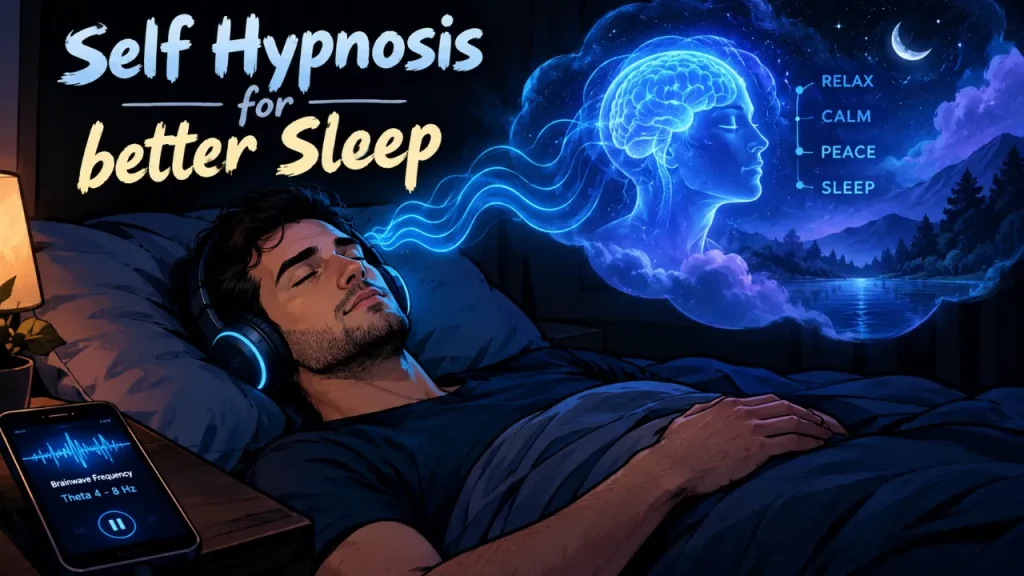
Early research suggests that hypnosis may help some people with insomnia and other sleep problems, although more research is needed. It is generally considered to have few side effects when used appropriately.
Before trying self hypnosis for sleep, it helps to understand what it is, how it works, its possible benefits and limitations, and how to use this technique as part of a relaxing bedtime routine.
If you want to learn how to use self-hypnosis to fall asleep, keep reading to discover how this technique works and how an app can help you get started.
- What Is Self-Hypnosis for Sleep?
- How Self-Hypnosis for Sleep Works
- Step-by-Step Guide to Self-Hypnosis for Sleep
- Benefits of Self-Hypnosis for Sleep
- Tips for Effective Self-Hypnosis for Sleep
- What Are the Risks of Self Hypnosis for Sleep?
- 1. Does self hypnosis for sleep really work?
- 2. How do you practise self hypnosis for sleep at home?
- 3. Can self hypnosis help with insomnia and racing thoughts at night?
- 4. Is guided self hypnosis for sleep better than doing it yourself?
- 5. How long does self hypnosis take to help you fall asleep?
What Is Self-Hypnosis for Sleep?
If you want to understand self-hypnosis, you may wonder how it differs from traditional hypnosis. In simple terms, self hypnosis for sleep is a technique that helps you relax your mind, focus your attention, and use positive suggestions to prepare for sleep.
These all step are just a part of relaxing your mind and prepare for a better sleep.
Instead of relying on a hypnotherapist to guide the entire session, you guide yourself through the process according to your needs.
One important part of self-hypnosis is learning to direct your attention and respond to helpful suggestions.
These suggestions may help you develop more relaxing thoughts, manage stress, and build better bedtime habits. With regular practice, self-hypnosis may help you feel calmer when it is time to sleep. It automatically prepare your mind at subconscious level for better sleep.
The best part is that you can practise self-hypnosis without medication or special equipment.
You can begin by sitting or lying comfortably, taking slow breaths, and focusing on calming thoughts. Some people also use guided meditation or a few special apps designed for sleep hypnosis to help them follow a relaxing routine.
Self-hypnosis is not a guaranteed solution for sleep problems, but it may be a useful way to relax before bed.
You can use some online guide of a few online apps for android as well as IPhone app for self guide.
How Self-Hypnosis for Sleep Works
Self hypnosis for sleep is a relaxation technique that may help calm your mind and prepare your body for rest.
If you often lie awake thinking about the day or worrying about tomorrow, this practice may help you shift your attention away from those thoughts and settle into a more relaxed state.
One of the main benefits of self-hypnosis is its ability to encourage relaxation. By focusing on your breathing, relaxing your muscles, and repeating calming suggestions, you can create a peaceful environment for your mind. This may make it easier to unwind before going to bed.
Self-hypnosis may also help you manage stress, anxiety, and racing thoughts that can interfere with sleep. For example, you can repeat a simple suggestion such as, “I am relaxed, my mind is calm, and I am ready to rest.” With regular practice, these techniques may help you develop a more relaxing bedtime routine.
But does self-hypnosis really improve sleep? Research suggests that Self Hypnosis for Sleep may help some people improve their sleep quality, although the available evidence is still limited and results can vary.
If you want to try this approach, start with a few minutes of relaxation before bed. You can practise on your own or use a guided self-hypnosis app to follow a structured session.
Over time, you may find that this routine helps you relax more easily at bedtime.
Read : Hypnosis for Beginners: 5 Effective step to Learn How to Induce a Hypnotic State
Step-by-Step Guide to Self-Hypnosis for Sleep
Learning Self Hypnosis for Sleep can be a simple way to relax your mind and body before bedtime. You don’t need any special equipment or previous experience to get started.
Follow these easy steps to create a calming routine that may help you prepare for a good night’s rest.
1. Find a Quiet Place
Choose a quiet place where you can relax without interruptions. Your bedroom is often a good choice, but you can use any comfortable space where you feel at ease.
Keep the lighting soft and put away distractions, such as your phone, so you can focus on relaxing.
2. Get Comfortable and Close Your Eyes
Find a comfortable position, either lying in bed or sitting in a chair. Let your arms rest naturally and gently close your eyes.
Take a moment to settle in and allow yourself to step away from the activities and worries of the day.
3. Focus on Your Breathing
Bring your attention to your breath. Breathe in slowly through your nose, then breathe out gently without forcing it. Notice how your body feels as you breathe.
If your mind wanders, simply bring your attention back to your breathing. This can help you feel calmer and more relaxed.
4. Relax Your Muscles Gradually
Start by relaxing the muscles in your forehead, face, and jaw.
Slowly move your attention down to your neck, shoulders, arms, chest, stomach, hips, legs, and feet. Notice any tension and allow each part of your body to soften.
You can imagine a warm wave of relaxation moving through your body as you work from head to toe.
There is no need to rush. Take your time and focus on feeling comfortable.
5. Visualise a Peaceful Scene
Picture a place where you feel calm and safe. It might be a quiet beach, a peaceful forest, or a cosy cabin in the mountains.
Imagine the sounds, colours, and small details of this place.
For example, you might picture gentle waves moving along the shore or hear the soft sound of leaves in the breeze. Let your attention rest on this scene whenever distracting thoughts come into your mind.
6. Repeat Positive Sleep Affirmations
Once you feel relaxed, repeat a few calming statements silently in your mind. Choose words that feel natural and reassuring rather than forcing yourself to believe something that doesn’t feel right.
Here are some examples you can try:
- “I am calm, comfortable, and ready to rest.”
- “I allow my body to relax and my thoughts to slow down.”
- “I am giving myself time to unwind.”
- “I can let go of today’s worries and focus on resting.”
Repeat each statement slowly and gently. If your thoughts wander, return to your chosen affirmation without judging yourself.
Practising these steps of Self Hypnosis for Sleep regularly may help you build a relaxing bedtime routine. Remember, self-hypnosis for sleep is not a miracle it is part of training your brain for specific results.
Benefits of Self-Hypnosis for Sleep
Finding the right way to improve your sleep can be challenging, especially when there are so many options available. From medication to herbal remedies and relaxation techniques, choosing what works best for you may take time. Self hypnosis for sleep is one approach that may help you relax, manage bedtime stress, and build a healthier sleep routine.
One of the main benefits of self-hypnosis is that you can practise it without taking medication or using special equipment.
It involves techniques such as deep breathing, focused attention, and positive suggestions to help calm your mind and relax your body.
However, natural methods are not always effective for everyone, and self-hypnosis may not be suitable as the only approach for ongoing sleep problems.
Another possible benefit is improved sleep quality. By practising Self Hypnosis for Sleep regularly, you may find it easier to relax at bedtime and manage thoughts that keep you awake.
Results vary from person to person, so it is important not to expect immediate changes or assume that this technique will solve every sleep problem.
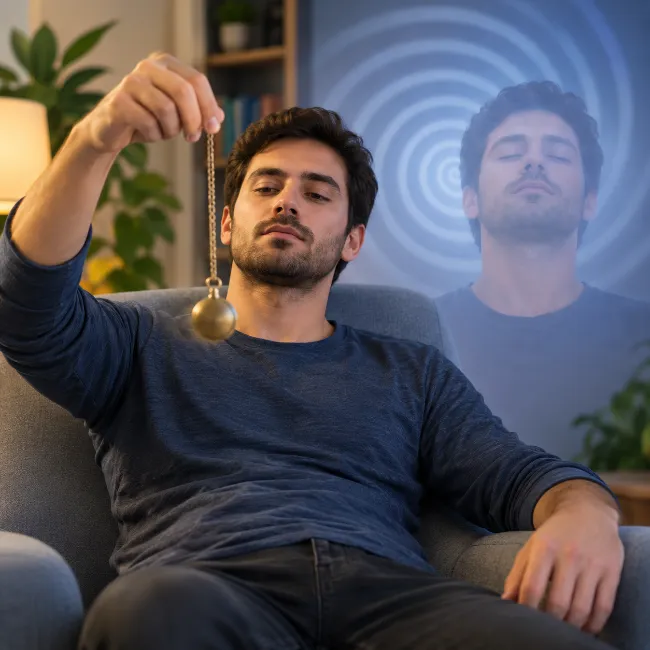
Self Hypnosis for Sleep can also help you take a more active role in your bedtime routine. Once you learn the basic techniques, you can practise them whenever you need to unwind.
This may reduce your reliance on guided sessions, although you should not stop prescribed medication without speaking to your healthcare professional.
If you want to explore self-hypnosis for sleep, you can start with a few minutes of quiet practice before bed.
When you start with regular practice, you may discover a relaxation method that fits comfortably into your daily routine.
Tips for Effective Self-Hypnosis for Sleep
A few simple changes can make your self-hypnosis for sleep routine more comfortable and easier to follow. Everyone responds differently to relaxation techniques, so take time to explore what works best for you.
1. Find the Right Session Length
Start with a short session of Self Hypnosis for Sleep around 10 to 15 minutes and see how you feel.
If you need more time to relax, you can try a longer session of 20 to 30 minutes. There is no fixed duration that works for everyone. Choose a length that helps you unwind without making your bedtime routine feel like a chore.
2. Try Different Relaxation Techniques
Visualisation and positive affirmations are useful ways to begin practising self-hypnosis.
You can also experiment with soft music, calming nature sounds, or gentle breathing exercises to create a peaceful atmosphere.
Some people enjoy using relaxing scents, such as lavender, as part of their bedtime routine. Choose techniques that help you feel comfortable, and avoid anything that distracts you or makes it harder to relax.
3. Practise Self-Hypnosis Regularly
Consistency of practicing Self Hypnosis for Sleep can help you turn self-hypnosis into a familiar part of your bedtime routine.
Try practising at around the same time each night, just as you would follow other habits before going to bed.
Over time, this routine may help you associate these relaxation exercises with winding down for the night. If you miss a session, don’t worry. Simply return to your routine the next evening.
4. Be Patient with Yourself
Self-hypnosis for sleep may take some practice.
You might feel relaxed during your first session, while other nights may be more challenging. This is normal, and you don’t need to get everything right straight away.
Focus on relaxing rather than trying to force yourself to fall asleep. If your thoughts wander, gently bring your attention back to your breathing or chosen visualisation. Give yourself time to discover which techniques feel most helpful.
Read : Productivity Hypnosis: 5 powerful steps to Train Your Mind to Focus, Work Smarter & Achieve More
What Are the Risks of Self Hypnosis for Sleep?
Sleep hypnosis is generally considered low risk when practised appropriately, although some people may experience unwanted reactions.
Before trying Self Hypnosis for Sleep, it is important to understand how it may affect you and whether it is suitable for your situation.
If you have a mental health condition, such as post-traumatic stress disorder (PTSD), speak with a qualified healthcare professional before starting hypnosis.
Self Hypnosis for Sleep may bring up difficult emotions or memories in some people, so professional guidance can help you understand the potential risks and choose a suitable approach.
If you are unsure whether self-hypnosis is right for you, consult your doctor or a qualified mental health professional.
They can discuss your individual needs and help you decide whether this technique is appropriate for your sleep routine.
Conclusion: Try Self-Hypnosis for Sleep
Self-hypnosis for sleep is a simple relaxation technique that may help you calm your mind, release tension, and prepare for a peaceful night’s rest.
By focusing on your breathing, relaxing your body, and repeating positive suggestions, you can develop a bedtime routine that helps you unwind after a busy day.
One of the main benefits of Self Hypnosis for Sleep is that you can practise it at home without special equipment.
However, results vary from person to person, and it may take time to find the techniques that work best for you. Consistency and patience are important in Self Hypnosis for Sleep, so give yourself time to build a routine that feels comfortable.
Start with a few minutes each night and pay attention to how you feel.
You don’t need to force yourself to fall asleep. Instead, focus on relaxing and letting go of the day’s worries. With regular practice, self-hypnosis may become a useful part of your bedtime routine and help you work towards better sleep.
Frequently Asked Questions About Self Hypnosis for Sleep
1. Does self hypnosis for sleep really work?
Self hypnosis for sleep may help you relax, quiet racing thoughts, and prepare your mind and body for bedtime. It typically involves focusing your attention, breathing slowly, and repeating calming suggestions. Some people find this routine helpful for falling asleep more comfortably, although results vary from person to person. For the best experience, practise in a quiet, comfortable environment and allow yourself time to unwind without pressuring yourself to fall asleep immediately.
2. How do you practise self hypnosis for sleep at home?
To practise self hypnosis for sleep at home, lie down comfortably, close your eyes if you wish, and take a few slow, gentle breaths. Relax your muscles gradually, starting with your face and shoulders and moving down your body. Repeat a calming phrase such as, “I am relaxed, comfortable, and ready to rest.” If distracting thoughts appear, acknowledge them and gently return your attention to your breathing. Practise for around 5–15 minutes, adjusting the duration to what feels comfortable.
3. Can self hypnosis help with insomnia and racing thoughts at night?
Self hypnosis may help some people manage bedtime worry and racing thoughts by encouraging relaxation and reducing mental distractions. However, it is not a guaranteed treatment for insomnia. If you regularly struggle to fall asleep, wake frequently during the night, or feel exhausted during the day, consider speaking with a healthcare professional. Cognitive behavioural therapy for insomnia (CBT-I) is a recommended treatment for persistent insomnia, and relaxation techniques may complement an appropriate sleep plan.
4. Is guided self hypnosis for sleep better than doing it yourself?
Guided self hypnosis for sleep can be helpful for beginners because a recorded voice provides instructions and calming suggestions, making it easier to maintain focus. Practising on your own gives you more flexibility to use your preferred breathing techniques, visualisations, and affirmations. Neither approach is best for everyone. Try both methods and choose the one that helps you feel most comfortable and relaxed at bedtime. If you use an audio recording, set a sleep timer and keep the volume low.
5. How long does self hypnosis take to help you fall asleep?
The time it takes for self hypnosis to help you relax and fall asleep varies. Some people feel calmer within a few minutes, while others need regular practice before they notice a difference. Begin with a simple 5–15-minute bedtime routine involving slow breathing, muscle relaxation, and positive sleep suggestions. Focus on becoming comfortable rather than trying to force sleep. If sleep difficulties continue for several weeks or interfere with daily life, seek advice from a healthcare professional.
Follow Us & Stay Connected
Enjoyed this article? Follow us for more fascinating stories, mysteries, spirituality and the unexplained.