
different Types of Spiritual Healing has been practiced for centuries as a way to support the body, mind, emotions, and spirit. Over time, many Types of Spiritual Healing have developed, each offering its own methods, advantages, and possible challenges.
Like any path of healing, spiritual practices should be approached with awareness and balance.
While many people experience positive transformation, it is important to understand that spiritual work also requires responsibility, clarity, and proper guidance before beginning a personal healing journey.
The value of spiritual healing is widely recognized because it can bring deep personal benefits.
For many individuals, exploring the Types of Spiritual Healing becomes a way to reconnect with a higher power, restore inner calm, and rediscover meaning and direction in life.
These practices can also support emotional release and personal growth.
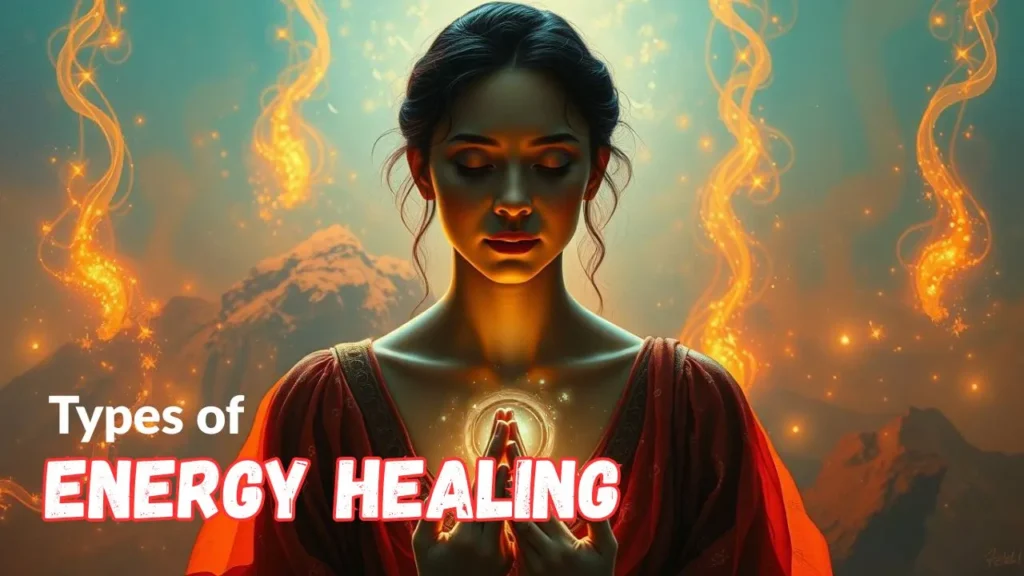
Through different Types of Spiritual Healing, people may learn to process negative feelings, recover from painful past experiences, and develop greater self-awareness along with a stronger sense of self-acceptance.
Understanding the different Types of Spiritual Healing allows individuals to choose a path that truly resonates with their beliefs and personal needs.
When practiced with mindfulness, intention, and proper understanding, spiritual healing can become a powerful tool for transformation while helping people remain aware of the possible challenges that may arise along the way.
What Is Spiritual Healing?
Spiritual healing is a holistic approach that focuses on restoring balance and supporting overall well-being across the physical, emotional, mental, and spiritual aspects of life.
While conventional medicine often concentrates on treating physical symptoms, spiritual healing works with the idea that a universal life force flows through every living being and plays an important role in maintaining health and harmony.
This life force is known by different names in various traditions.
In Chinese culture it is called qi, while Hindu traditions refer to it as prana. In many modern spiritual practices, it is simply described as energy.
Maintaining the proper flow and balance of this life force is believed to be essential for vitality and overall wellness.
There are a lot of different Types of Spiritual Healing, and each one works in its own way to address blockages or imbalances in this energy.
These practices aim to restore natural energy flow, helping individuals manage stress, ease discomfort, and release emotional tension. Because of these potential benefits, more people are exploring different Types of Spiritual Healing as part of their personal wellness journey.
Interest in holistic approaches to health has grown steadily in recent years. According to the Pew Research Center’s report America’s Changing Religious Landscape (2015), nearly 49% of adults in the United States have explored alternative therapies, including spiritual healing practices.
This trend reflects a broader shift toward viewing health as a complete state of balance, where emotional, mental, and spiritual well-being are considered just as important as physical health.
The main purpose of spiritual healing is to create harmony between the mind, body, and spirit.
Many of the different Types of Spiritual Healing involve practices such as meditation, prayer, or energy work, which are used to clear energetic blockages, calm negative emotions, and guide individuals toward a deeper sense of inner peace.
Spiritual healing sessions often begin with grounding or centering techniques.
These simple exercises help both the practitioner and the person receiving healing focus their attention and create a stable, calm environment.
By establishing this foundation, the healing process can unfold more naturally, allowing the energy to flow in a balanced and supportive way.
The 5 Types of Spiritual Healing
There are different Types of Spiritual Healing exercises that people use to support their overall well-being.
Some of the most widely practiced methods include Reiki, energy healing, meditation, prayer, chakra balancing, shamanic healing, sound healing, crystal healing, breathwork, visualization, tapping (EFT), yoga, faith healing, journaling, and aura cleansing.
Each of these Types of Spiritual Healing follows a different approach to restoring balance and encouraging inner healing.
Some practices focus on the movement and transfer of energy within the body, while others emphasize mindfulness, spiritual connection, or emotional release.
Because these methods vary in technique and purpose, individuals can explore different Types of Spiritual Healing to discover what resonates most with them.
This flexibility allows people to choose practices that align with their personal beliefs and goals while supporting physical, mental, emotional, and spiritual wellness.
Energy Healing
Energy healing is one of the most widely recognized different Types of Spiritual Healing. This practice focuses on working with the body’s energy systems in order to restore balance and support natural healing.
The basic idea behind energy healing is that when the body’s energy flows smoothly, it can promote both physical health and emotional well-being.
There are several methods used within energy healing, each with its own techniques and traditions.
Common examples include acupuncture, acupressure, and chakra healing. These practices aim to correct energy imbalances and encourage a smoother flow of life force throughout the body.

How Energy Healing Works
A core belief behind different Types of Spiritual Healing, including energy healing, is that everything in the universe is made of energy.
This includes the human body and the systems that keep it functioning.
When this energy becomes blocked, weakened, or unbalanced, it may contribute to physical discomfort, emotional distress, or spiritual imbalance.
Energy healing focuses on restoring harmony within these energy systems. By clearing blockages and encouraging a steady flow of energy, the body may become better able to support its own natural healing processes.
Benefits of Energy Healing
Many individuals who explore different Types of Spiritual Healing such as energy healing report a sense of deep relaxation and emotional balance after a session.
The experience often helps people feel calmer, more centered, and mentally clear.
Energy healing may also support stress reduction, help ease physical discomfort, and improve overall well-being.
While many people find these practices beneficial, they are generally considered complementary methods rather than replacements for professional medical treatment.
Risks and Potential Concerns
Although many people benefit from energy healing, it is still important to approach any Types of Spiritual Healing with awareness.
Some individuals may experience mild temporary reactions after a session, such as headaches, fatigue, or nausea as their body adjusts.
Another possible concern is the presence of unqualified or unethical practitioners. Without proper training or ethical standards, some individuals may misuse spiritual practices or take advantage of vulnerable people seeking healing.
Choosing a Qualified Energy Healer
If you are interested in exploring this form of healing, it is important to choose a trustworthy practitioner.
When looking into different Types of Spiritual Healing such as energy healing, take time to research the healer’s background, training, and experience.
A qualified practitioner should have proper certification or training and a positive reputation within the community.
You may also find it helpful to ask for recommendations from friends, family members, or others who have had positive experiences with energy healing practices.
Read : The 7 stages of Shamanic Initiation explore the Strange mystic Ability of Healing
Crystal Healing
Crystal healing is one of the increasingly popular different Types of Spiritual Healing practiced today. This gentle and non-invasive method uses different crystals and gemstones to help balance the body’s energy and support overall well-being.
The practice is based on the belief that crystals carry their own natural vibrations and energetic properties.
These unique qualities are thought to influence the body’s energy field, helping to restore balance and encourage healing on physical, emotional, and spiritual levels.
There are many crystals used in this form of healing, and each one is believed to serve a different purpose.
For example, rose quartz is often associated with emotional healing and love, amethyst is commonly linked with spiritual awareness and calmness, and clear quartz is frequently used for energy cleansing and physical balance.
How Crystal Healing Works
Like other different Types of Spiritual Healing, crystal healing focuses on restoring harmony in the body’s energy flow.
During a session, crystals are usually placed on specific parts of the body or arranged around it in a particular pattern.
Practitioners believe that these crystals interact with the body’s energy field by absorbing negative energy and encouraging a smoother flow of positive energy.
This process is thought to help reduce stress, ease emotional tension, and support overall energetic balance.
Benefits of Crystal Healing
Many people who explore different Types of Spiritual Healing such as crystal healing report feeling calmer and more relaxed after a session.
The peaceful atmosphere created during the practice often helps individuals feel more centered and emotionally balanced.
Some people also believe that crystal healing may help ease certain physical discomforts, including headaches, muscle tension, or digestive issues. However, experiences can vary depending on the individual and the type of healing approach used.
Risks and Potential Concerns
Although crystal healing is generally considered gentle, it is still important to approach different Types of Spiritual Healing with awareness.
Some individuals may experience sensitivity to certain crystals, or the practice may not be suitable for those with specific health conditions.
For this reason, it is important to seek guidance from a trained and responsible practitioner.
A qualified crystal healer can help assess your needs and ensure that the session is conducted safely and in a way that supports your overall well-being.
Reiki energy healing
Reiki is one of the most well-known Types of Spiritual Healing, and it originated in Japan in the early twentieth century. This practice focuses on using energy to encourage balance and healing within the body.
The foundation of Reiki is the idea that a practitioner can channel healing energy through their hands to support the body’s natural ability to heal. This process is believed to help restore both physical and emotional balance.
The word “Reiki” comes from Japanese and translates to “universal life energy.” As one of the widely practiced different Types of Spiritual Healing, Reiki aims to promote relaxation, emotional harmony, and overall well-being.
The practice is based on the belief that a universal life force flows through all living things and supports health when it remains balanced.

How Reiki Works
Many practitioners believe that energy disruptions in the body can contribute to emotional stress or physical discomfort. Reiki sessions focus on correcting these imbalances by guiding healing energy where it is needed.
During a Reiki session, the person receiving the treatment typically lies down or sits comfortably while remaining fully clothed. The practitioner gently places their hands on or slightly above certain areas of the body to channel energy and encourage balance.
Benefits of Reiki
Among the different Types of Spiritual Healing, Reiki is often chosen for its calming and relaxing effects. Many people report feeling peaceful and refreshed after a session.
Reiki may help reduce stress, ease anxiety, and encourage relaxation. Some individuals also find that it helps them manage emotional challenges such as insomnia, low mood, or ongoing stress. It is often used as a complementary therapy alongside conventional medical treatments rather than as a replacement.
Risks and Possible Concerns
Reiki is generally considered a gentle practice with very few risks. However, some individuals may experience temporary emotional release or mild discomfort during or after a session.
As with other different Types of Spiritual Healing, it is important to approach Reiki thoughtfully and ensure the practitioner follows proper techniques and ethical standards.
Finding a Qualified Reiki Practitioner
If you are interested in Reiki, choosing a trained and reputable practitioner is essential. Look for someone who has completed proper training and holds certification from a recognized organization.
It is also helpful to select a practitioner with a good reputation and positive feedback from others.
Feeling comfortable with the practitioner is equally important, so take time to ask questions, discuss your concerns, and seek recommendations from trusted sources before beginning a session.
Read : Elemental Magic: Unlocking the Hidden Power of Nature’s 4 Forces with Powerful Rituals
Shamanic Healing
Shamanic healing is an ancient practice and one of the oldest different Types of Spiritual Healing known in human history.
Indigenous cultures across the world have used this method for thousands of years to address physical, emotional, and spiritual imbalances.
In shamanic traditions, the healer—often called a shaman—serves as a bridge between the spiritual and physical worlds. Through this connection, the shaman works to restore harmony and balance in a person’s life.
Various techniques may be used during the healing process, such as energy work, soul retrieval, power animal retrieval, extraction, and psychopomps work.
There are also several traditions within shamanic practice. Some well-known forms include Core Shamanism, Celtic Shamanism, and Mongolian Shamanism. Like many different Types of Spiritual Healing, each tradition has its own unique rituals and cultural practices.
In some ceremonies, tools such as drums, rattles, feathers, or crystals are used to support the healing process and help create a sacred environment.

How Shamanic Healing Works
Shamanic healing focuses on connecting with the spiritual realm and working with guiding or helping spirits.
During a session, the shaman creates a safe and sacred space where the client can release emotional burdens, trauma, or negative energy.
Through spiritual guidance and energy work, the shaman seeks to restore balance to the individual’s physical, emotional, and spiritual state. This process is believed to help clear blockages and bring a renewed sense of harmony and alignment.
Benefits of Shamanic Healing
Among the many different Types of Spiritual Healing, shamanic healing is often valued for its deep spiritual and emotional impact.
Some individuals report relief from emotional or physical stress, along with improved clarity and focus.
People may also experience increased energy, a stronger sense of purpose, and greater spiritual awareness. In addition, shamanic practices can help individuals explore personal growth and transformation while addressing deeper spiritual concerns.
Risks and Potential Concerns
Although many people benefit from this practice, shamanic healing should never replace professional medical treatment. Like other different Types of Spiritual Healing, it is best used as a complementary approach rather than a substitute for medical care.
Another important consideration is the practitioner’s experience and training. Without proper knowledge or guidance, the practice could lead to misunderstandings or emotional distress.
Finding a Qualified Shamanic Healer
If you are interested in exploring shamanic healing, it is important to choose a practitioner who has proper training and experience.
Look for someone who has studied the tradition seriously and has a strong understanding of the spiritual practices involved.
It can also be helpful to seek recommendations from trusted friends or community members.
Feeling safe and comfortable with the practitioner is essential, so open communication about your expectations and concerns should always be encouraged before beginning any session.
Sound Healing
Sound healing is one of the widely practiced different Types of Spiritual Healing that uses sound vibrations to bring balance to the mind, body, and spirit.
This method is based on the idea that everything in the universe vibrates at a particular frequency, and certain sounds can influence our energy and support the body’s natural healing process.
There are several approaches used in sound healing. Common practices include chanting, singing bowls, drumming, and gongs.
Each sound produces a different vibration and may influence various parts of the body or emotional states.
For example, singing bowls are often used to create a calming atmosphere and reduce stress, while rhythmic drumming can help release stored emotions and promote a feeling of grounding.
How Sound Healing Works
Like other Types of Spiritual Healing, sound healing focuses on restoring harmony within the body’s energy system. During a session, specific sounds and vibrations are used to guide the brain into a more relaxed state.
These vibrations may help slow brainwave activity, which can encourage deep relaxation and reduce feelings of anxiety.
Some practitioners also believe that sound waves stimulate the body’s natural healing responses, encouraging the release of endorphins and supporting the immune system.
Benefits of Sound Healing
Many people who explore different Types of Spiritual Healing such as sound healing report noticeable improvements in relaxation and emotional balance. The calming effects of sound therapy can help reduce stress, anxiety, and feelings of overwhelm.
Sound healing may also support better sleep and contribute to overall mental and emotional well-being.
In some cases, it has been used alongside other wellness practices to help manage discomfort or improve symptoms related to chronic conditions.
Risks and Potential Concerns
Although sound healing is generally considered safe, it is still important to approach different Types of Spiritual Healing carefully.
Some individuals may feel uncomfortable or emotionally stirred during a session, particularly if they are sensitive to certain sounds or vibrations.
This is why working with a knowledgeable practitioner is important, as they can guide the experience in a safe and supportive way.
Finding a Qualified Sound Healer
If you are interested in trying sound healing, it is important to find a trained and reputable practitioner.
Take time to research their background, training, and experience in sound therapy.
A qualified sound healer should have completed proper training or certification and maintain a positive reputation among clients.
Asking for recommendations and reading reviews can also help you choose a practitioner who follows professional and ethical practices.
The Dark Side of Spiritual Healing
Spiritual healing can be a valuable path for improving emotional balance, personal growth, and overall well-being.
Many people explore different Types of Spiritual Healing to support their mental, physical, and spiritual health.
However, as with any form of therapy or alternative practice, it is important to understand that certain risks and challenges may exist.
One concern is the possibility of encountering dishonest or unethical practitioners. While many healers genuinely want to help others, some individuals may take advantage of people who are seeking guidance or relief.
Warning signs may include practitioners who promise guaranteed or unrealistic results, pressure clients to spend large amounts of money, or avoid sharing their qualifications or references.
Another potential issue when exploring different Types of Spiritual Healing is becoming overly dependent on a healer.
Although guidance and support can be helpful, the purpose of healing practices is to encourage personal strength, awareness, and independence.
If someone begins to rely too heavily on a healer for emotional or spiritual decisions, it may be helpful to step back and reassess the relationship and focus on personal empowerment.
Read : 9 strange Scent Signs with No Source how it is connected with paranormal world
How to Protect Yourself from Scams and Fraud
One of the most effective ways to stay safe when exploring different Types of Spiritual Healing is to do careful research. Before choosing a practitioner, take time to read reviews, ask for references, and learn about their background and training.
Scheduling an initial consultation can also help you understand the healer’s methods, values, and approach before committing to a full session.
It is equally important to recognize signs of unhealthy or unethical practices. For example, a practitioner who uses fear, guilt, or shame to influence your decisions should be approached with caution.
Similarly, anyone claiming supernatural powers or insisting that they are the only person who can help you should raise concern.
Another important warning sign is when a practitioner advises you to stop taking prescribed medication or avoid professional medical treatment.
Responsible healers who practice different Types of Spiritual Healing usually encourage their work as a complementary approach rather than a replacement for proper medical care.
By staying informed and trusting your instincts, you can explore spiritual healing in a safe and balanced way.

How to approach different types of spiritual healing safely conclusion
Spiritual healing can be a powerful tool for well-being, but it is important to approach it with care and mindfulness.
While there are many effective Types of Spiritual Healing, including shamanic healing, sound healing, and energy healing, it’s essential to be aware of the potential risks and challenges associated with these practices.
Recognizing the signs of an unhealthy or unethical practice is just as important as understanding the benefits.
Taking steps to protect yourself from scams or exploitation can ensure a safer and more positive healing experience.
When seeking spiritual healing, thorough research is key. Look for qualified and reputable practitioners, and don’t hesitate to ask questions about their training, experience, and approach before scheduling a session.
Trusting your intuition and paying attention to how you feel about a healer can also help you avoid potentially harmful situations.
It is equally important to remember that spiritual healing is a complementary practice—not a replacement for professional medical or mental health care.
While these practices can support emotional, mental, and spiritual wellness, individuals should always seek proper medical or psychological treatment for any physical or mental health concerns.